
As climate change reshapes global priorities, businesses are under increasing pressure to rethink their environmental impact and long-term role in society.
Even digital products are part of this shift.
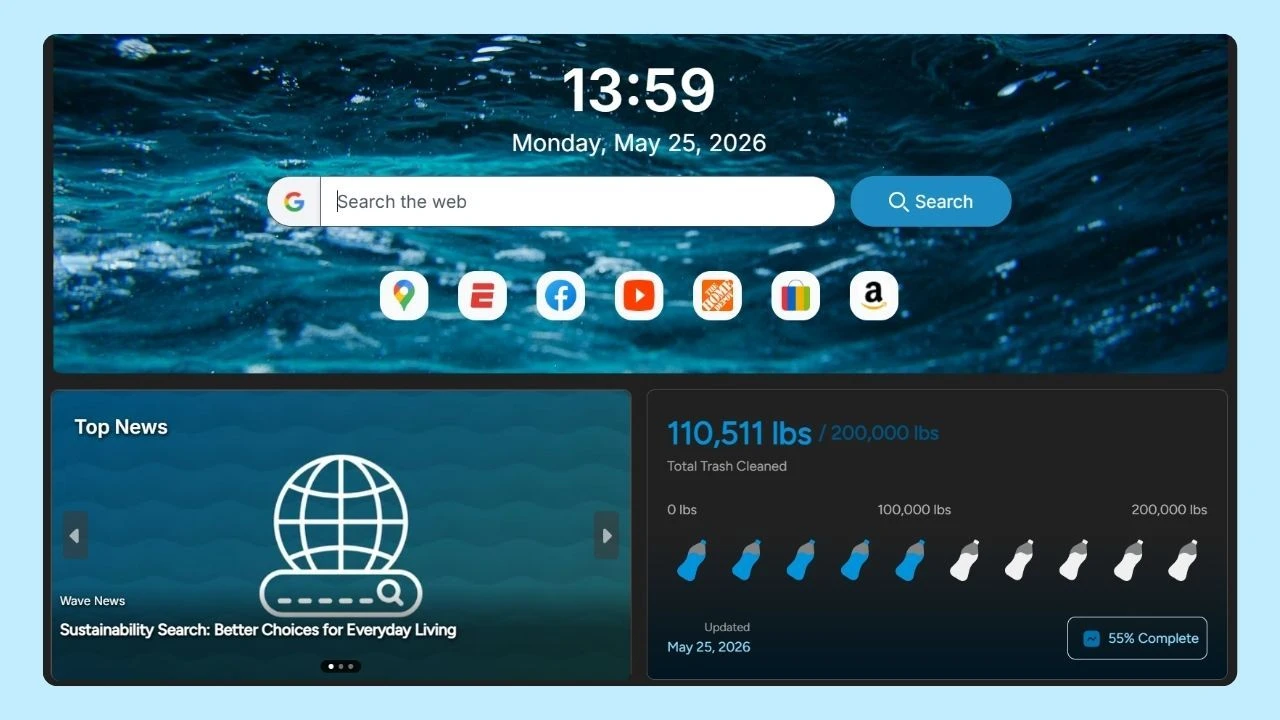
For example, Wave Browser introduces a model where everyday online activity—like opening tabs, browsing websites, and interacting with content—contributes to real-world environmental efforts showing how even software can align with sustainability goals. But beyond individual examples, a broader transformation is underway.
Today, the most sustainable companies are not just reducing harm, they are redesigning their operations, supply chain, and business strategy to actively support a sustainable future.
What Are Eco-Friendly Companies?

Eco-friendly companies—often referred to as sustainable companies—are organizations that prioritize minimizing their environmental impact while maintaining economic viability and social responsibility.
These companies integrate sustainability into every layer of their operations, including:
- Reducing carbon footprint
- Using renewable energy sources
- Designing responsible supply chain systems
- Investing in green technologies
- Supporting communities through social responsibility initiatives
Rather than treating it as a side initiative, the most sustainable companies weave environmental responsibility into their core business strategy.
Why is it Important for Companies To Be Eco-Friendly?
Being eco-friendly is crucial for companies as it not only reduces environmental impact but also enhances brand reputation. Consumers increasingly prefer sustainable practices, leading to higher customer loyalty and sales.
Moreover, adopting eco-friendly measures can result in cost savings and compliance with regulations, fostering long-term business sustainability.
What Makes a Company Eco-Friendly?

To be considered truly eco-friendly, companies have to go beyond surface-level claims and look at how their own operations impact the planet.
The most sustainable companies build environmental thinking into everything—from product design to supply chain decisions, not just marketing. With global warming accelerating, this shift is becoming essential, not optional.
1. Reducing Carbon Footprint
A company’s carbon footprint includes emissions from manufacturing, logistics, offices, and even data centers (which now account for roughly 1–2% of global electricity use). Eco-friendly companies actively work to reduce this by:
- Transitioning to renewable energy like solar panels and wind
- Improving energy efficiency across offices and infrastructure
- Offsetting unavoidable emissions through verified programs
For example, many major brands in the United States now track emissions publicly and set reduction targets as part of broader global efforts to fight climate change.
2. Sustainable Supply Chain Management
The supply chain is often where the biggest environmental impact happens. Leading companies:
- Use sustainable materials (like recycled fabrics or responsibly sourced ingredients)
- Reduce waste during production and packaging
- Partner with suppliers who follow environmental and ethical standards
Brands like Patagonia are well-known for this approach, investing heavily in traceable materials and repair programs instead of pushing constant consumption.
3. Adoption of Renewable Energy
Switching to renewable energy is one of the clearest signs a company is serious about sustainability. This can include:
- Installing solar panels on facilities
- Powering operations with wind or hydro energy
- Reducing dependence on fossil fuels
This not only lowers environmental impact but also creates long-term cost stability.
4. Investment in Eco-friendly Technologies
Sustainable companies often lead in innovative products and systems that reduce harm across their operations. This includes energy-efficient infrastructure, smarter logistics that cut emissions, reduced water consumption in manufacturing, and the use of sustainable materials in both products and packaging.
As industries continue to evolve, sustainability is no longer limited to physical processes. There is a growing focus on eco-friendly technology and digital sustainability, where companies design systems that use fewer resources, minimize energy consumption, and operate more efficiently.
This shift shows how modern businesses are expanding sustainability beyond traditional methods, rethinking not just what they produce, but how they function in a digital world.
For example, Wave Browser reflects this approach by focusing on efficient browsing while connecting everyday online activity to verified ocean cleanup efforts, showing how digital tools can reduce their footprint while contributing to real-world environmental impact.
5. Strong Social Responsibility Practices
True sustainability includes people, not just the planet. Eco-friendly companies prioritize:
- Fair wages and safe working conditions
- Community investment and local impact
- Transparent governance and reporting
This is why social responsibility is often tied directly to environmental sustainability; it’s all part of the same system.
How Companies Can Become More Eco-Friendly?

For businesses looking to transition toward sustainability, the path involves both operational and strategic changes built around the core pillars of sustainability—environmental responsibility, social impact, and long-term economic viability:
- Audit environmental impact: Understand your current carbon footprint, resource use, and inefficiencies across operations
- Redesign supply chain: Prioritize sustainable sourcing, ethical production, and efficient logistics
- Adopt renewable energy: Transition energy usage wherever possible, including solar, wind, or other low-impact sources
- Invest in innovation: Implement green technologies that improve efficiency and reduce waste
- Engage stakeholders: Align employees, partners, and customers around shared sustainability goals
- Track and report progress: Transparency builds trust, accountability, and long-term credibility
Sustainability is not a one-time initiative—it’s an ongoing evolution. The most effective companies treat it as a continuous process of improvement, adapting their strategies as new technologies, regulations, and environmental challenges emerge.
Examples of Sustainable Business Strategy in Action
The most sustainable companies align profitability with environmental responsibility. Their strategies often include:
- Designing products with lifecycle sustainability in mind
- Using data to track environmental impact
- Embedding sustainability into decision-making processes
These are practical examples of sustainability in action where companies move beyond intention and apply measurable, system-wide changes. This approach creates long-term value while supporting a sustainable future.
Challenges Eco-Friendly Companies Face
While the benefits are clear, becoming sustainable also comes with real challenges:
- Higher upfront costs for renewable energy and green technologies
- Complex supply chain restructuring that takes time and coordination
- The need to balance profitability with environmental goals
- Avoiding “greenwashing” while maintaining transparency and credibility
The most sustainable companies don’t avoid these challenges; they lean into them. By treating them as opportunities for innovation and long-term growth, they build stronger, more resilient business models.
The Future of Sustainable Companies
The shift toward environmental sustainability is reshaping how businesses operate. Companies that prioritize reducing their environmental impact, improving their supply chain, and investing in renewable energy are positioning themselves for long-term success.
At the same time, new models—like those seen in Wave Browser—highlight how even everyday tools can play a role in addressing climate change.
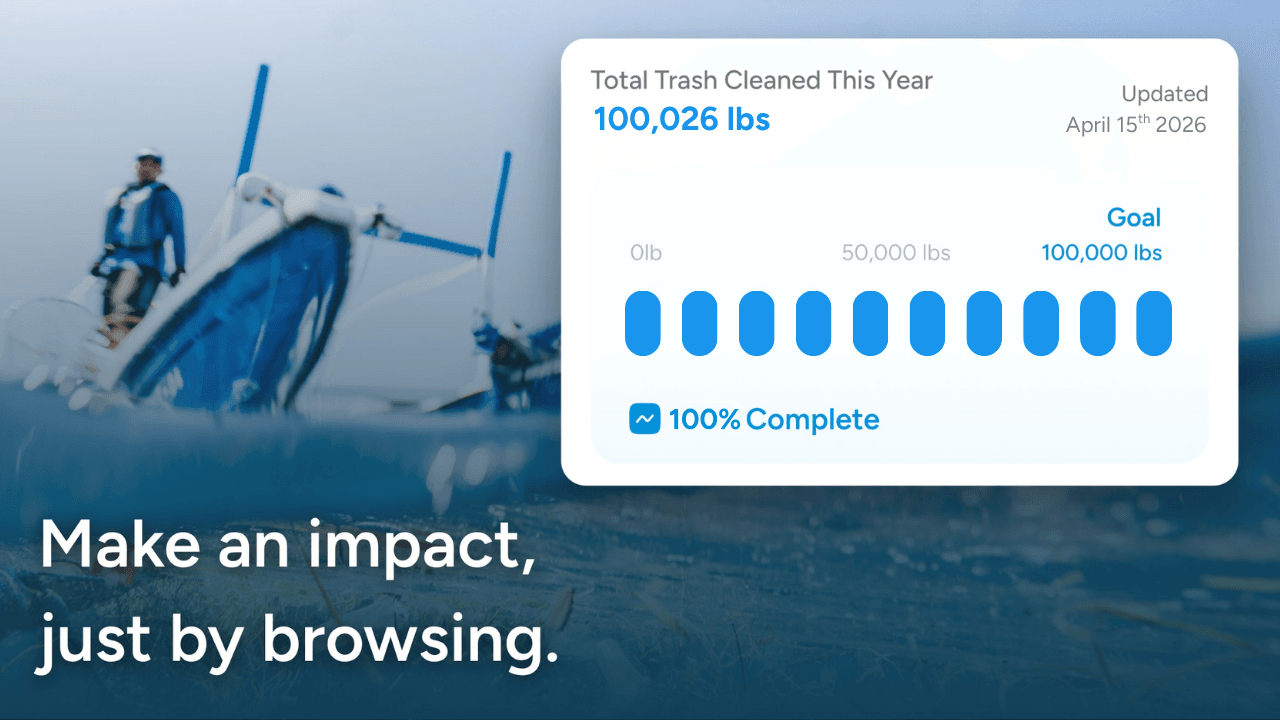
By integrating sustainability into digital experiences and supporting verified cleanup efforts, Wave has already helped remove over 100,000 pounds of trash and plastic from our ocean, rivers, and coastlines. It reflects a growing expectation: that every industry, including tech, contributes to a more sustainable future.
Ultimately, eco-friendly companies are not just adapting to change—they are leading it.