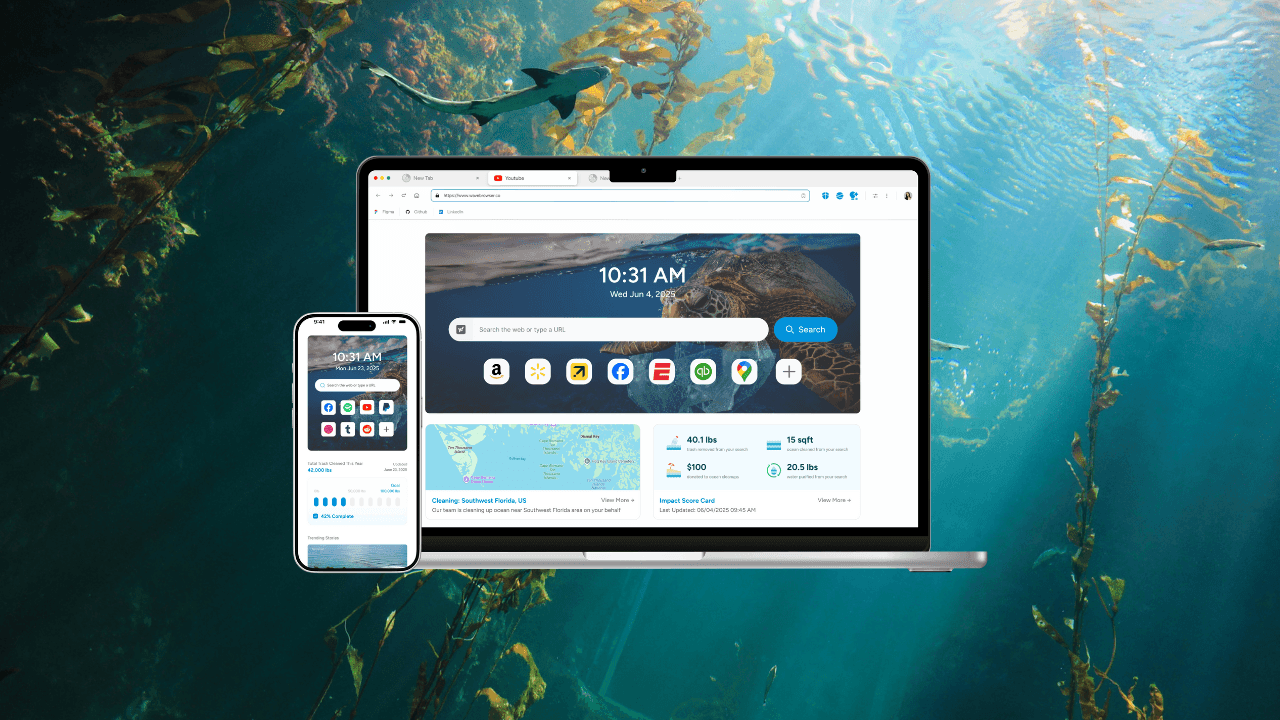
The idea of an ocean browser reflects a growing movement in technology: tools that connect our everyday browsing to measurable environmental action. As users become more aware of plastic pollution, climate change, and the health of marine life, digital platforms are exploring how small, repeated actions can support a sustainable planet.
One example is Wave Browser, which connects online activity to verified ocean cleanup initiatives. By aligning everyday habits with environmental responsibility, it represents a broader shift in how technology can play a vital role in supporting real ocean cleanup projects.
What is an Ocean Browser?
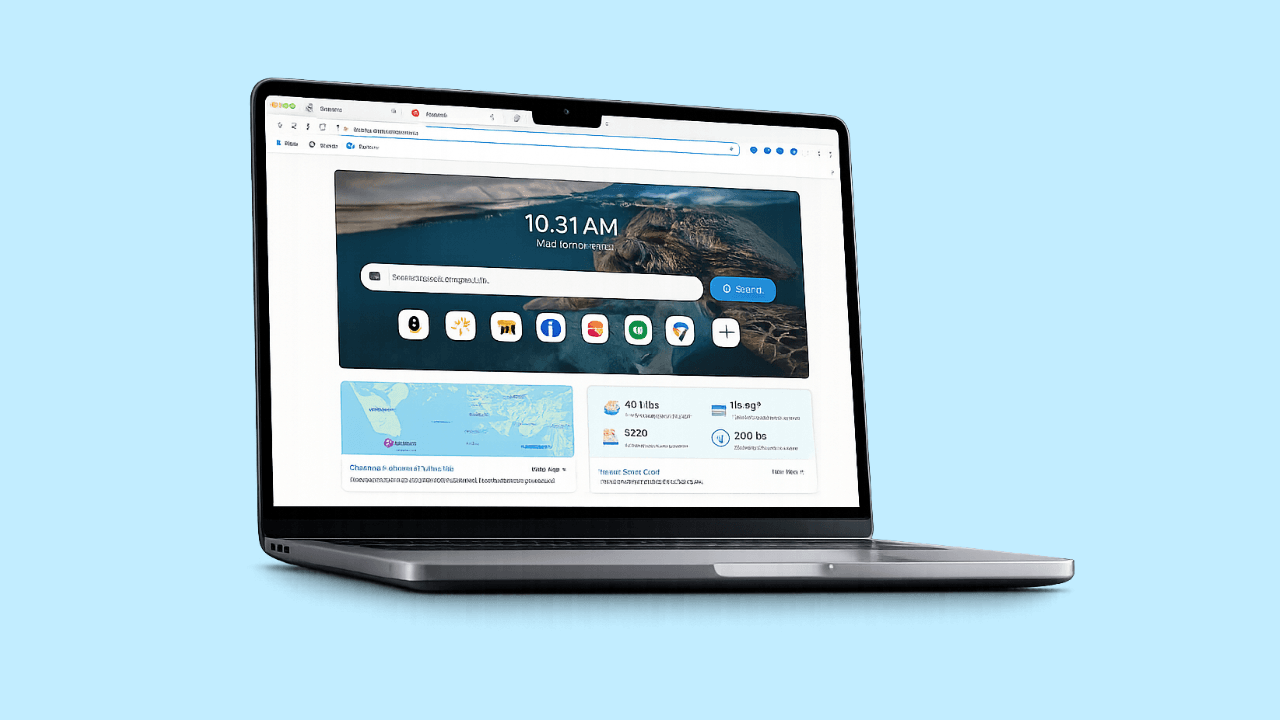
An ocean browser is built around a simple idea: your routine browsing session, opening a new tab, or interacting with search engines can contribute to a positive environmental impact.
Instead of adding extra steps or charging an extra cost, the model integrates environmental funding into normal browser everyday functionality. The goal is to make sustainability part of your digital daily habits, not a separate task.
Billions of browsing actions happen every day, and small shifts in those habits can add up. Even a small click count across a large user base can help fund cleanups and support cleanup efforts around the world.
Why Ocean Cleanup Matters
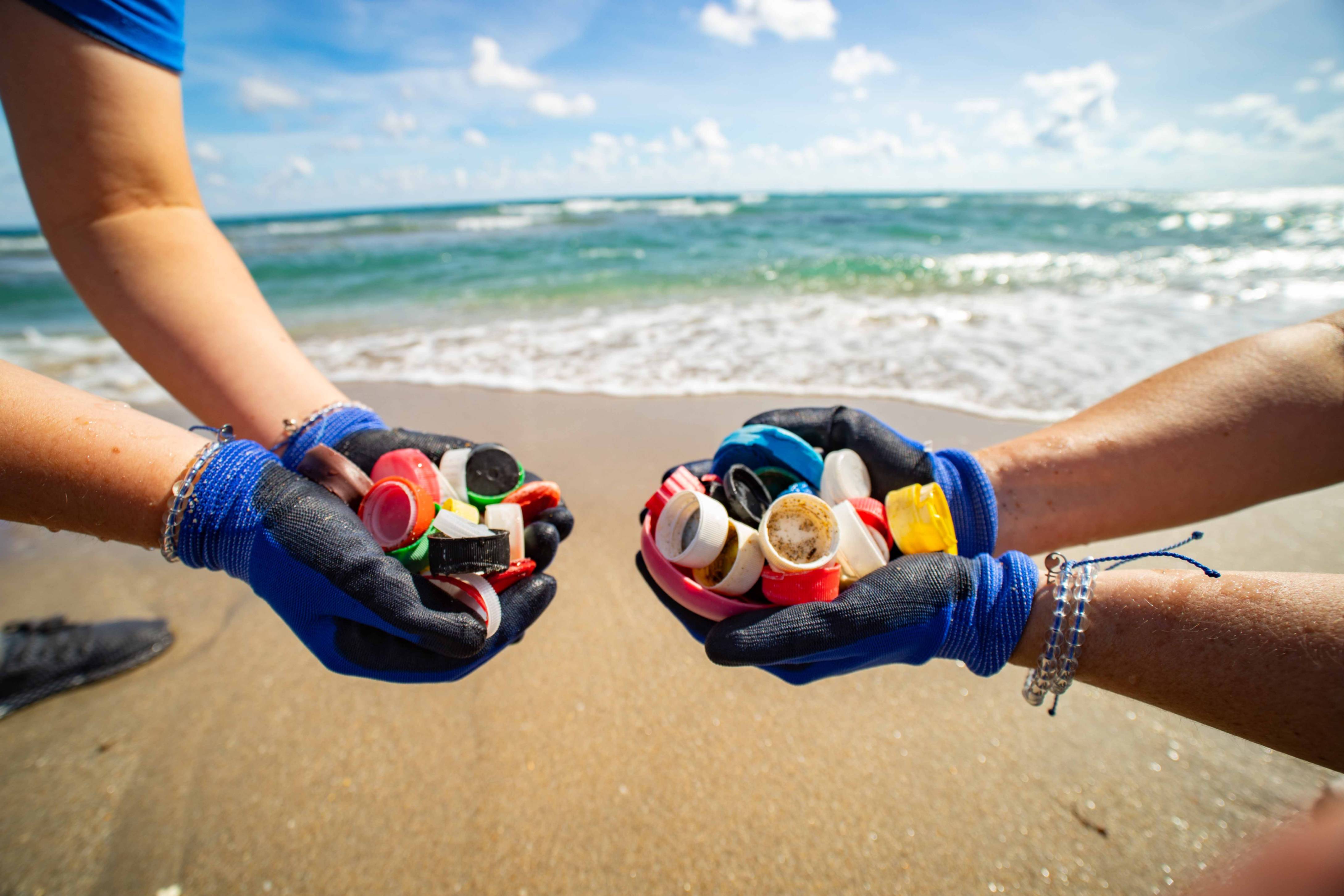
Our ocean plays a fundamental role in global health. It produces roughly half of the oxygen we breathe and regulates climate systems that support life on land and at sea. Yet plastic waste continues to threaten ecosystems.
Millions of tons of debris enter waterways annually, and one of the greatest challenges is plastic decomposition time. Many plastic products can take hundreds of years to fully break down, persisting in the environment long after they are discarded.
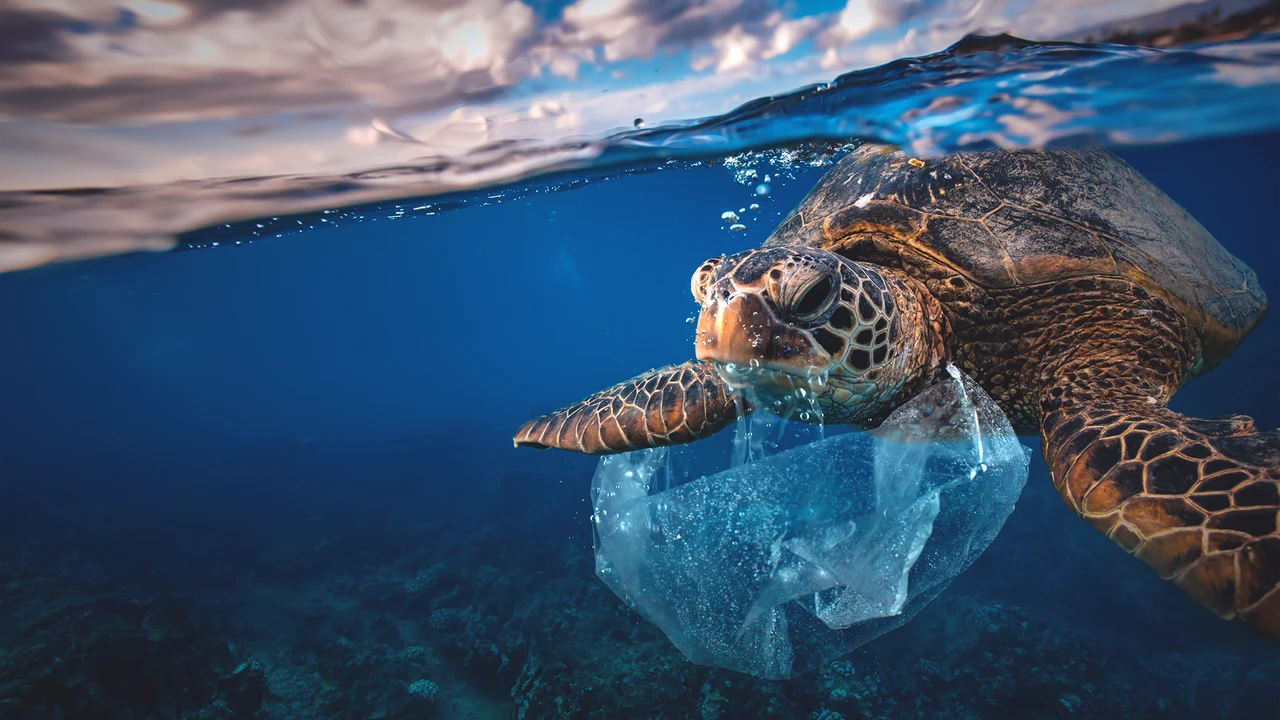
Items as small as a discarded plastic bottle can slowly fragment into microplastics, affecting coral reefs, sea turtles, and countless marine animals. The result is long-term harmful pollution that disrupts food chains and damages coastal economies.
Organizations focused on ocean conservation work to remove trash, reduce pounds of plastic, and protect clean waters. These efforts also support local communities whose livelihoods depend on healthy marine ecosystems.
Beyond the Screen: Supporting Marine Life and Communities
Reducing plastic pollution benefits more than just the water. Healthy marine ecosystems support fisheries, tourism, and biodiversity. Protecting marine life, from plankton to sea turtles, strengthens the broader climate system.
Clean coastlines and restored waterways contribute to clean waters and safer conditions for communities that rely on them. In this way, digital participation connects to tangible improvements in the physical world.
While one tool alone cannot solve global waste challenges, consistent funding across verified real ocean cleanup projects can help protect ecosystems over time.
How an Ocean Browser Creates Environmental Impact?
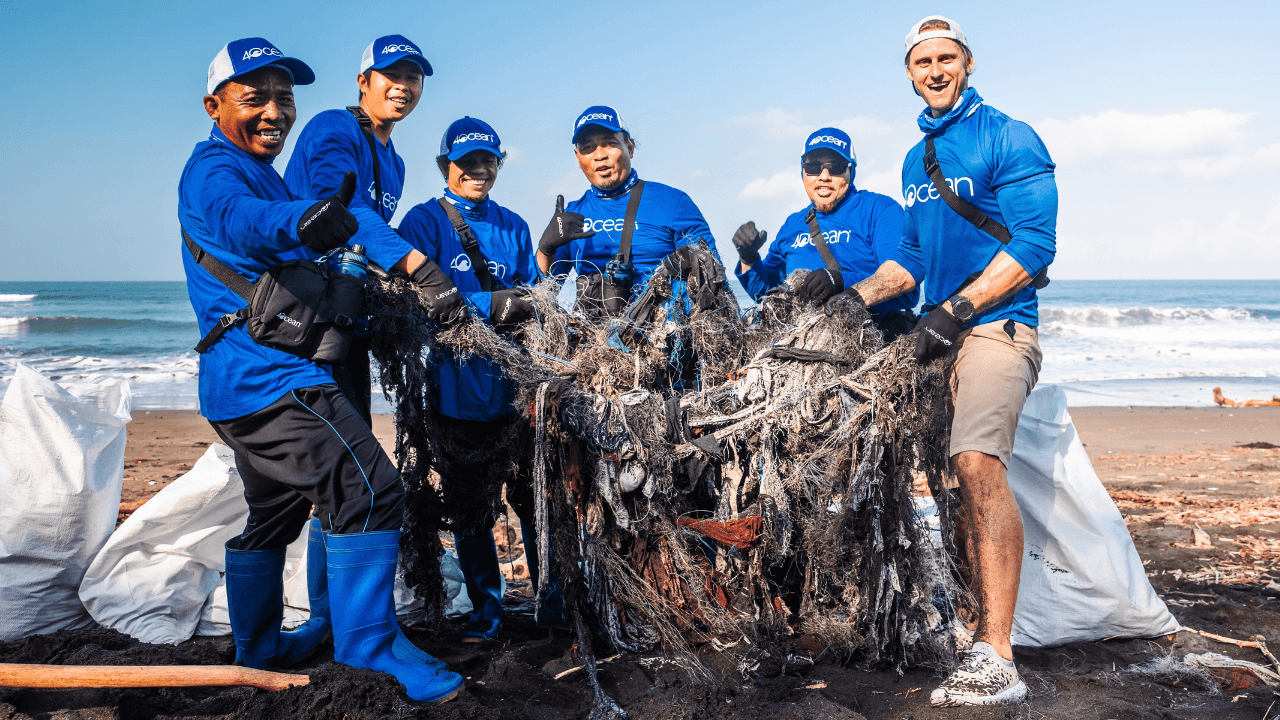
An ocean browser connects user activity to structured cleanup efforts. Support generated through the browser helps fund cleanups that remove pounds of trash from coastlines and waterways.
This links everyday browsing to measurable cleanup funding.
Over time, that consistent support contributes to lasting impact, especially when aligned with verified organizations conducting real ocean cleanup operations. For example, Wave’s collaboration milestones, including the celebration of 50 million pounds removed, demonstrate how sustained partnerships can scale impact over time.
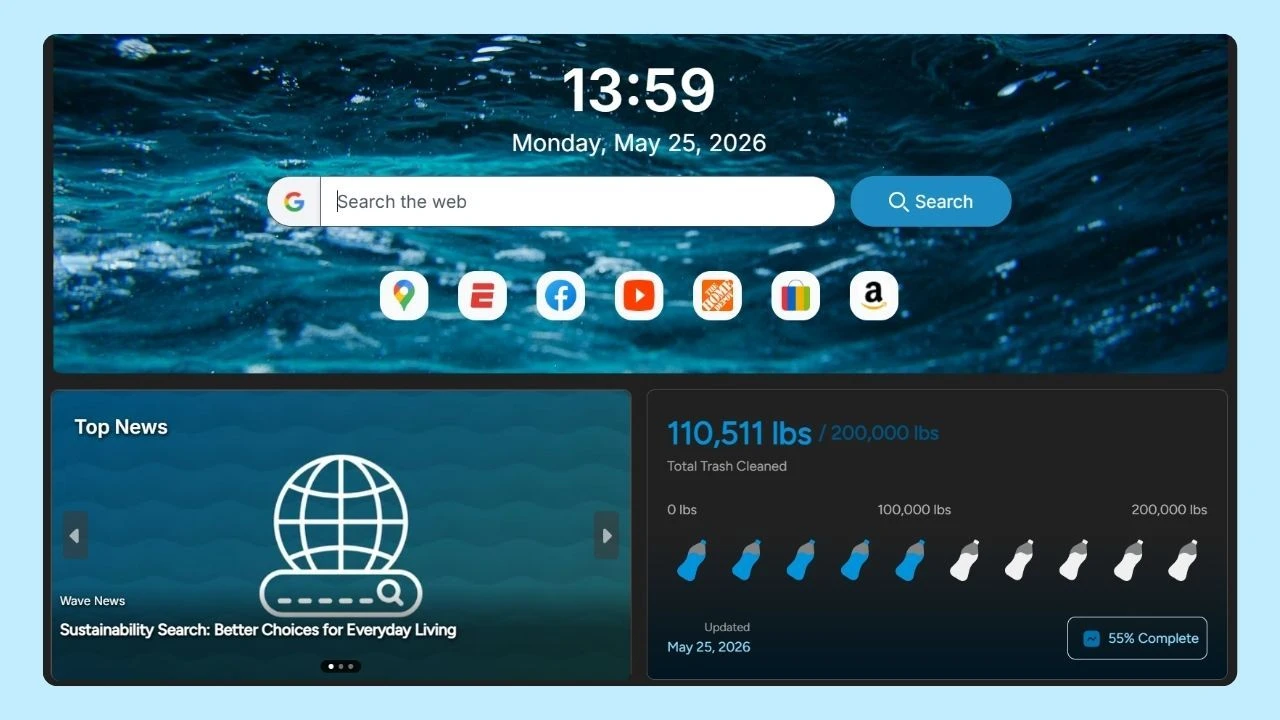
In 2025 alone, Wave helped clean over 70,000 pounds of trash, with a goal of reaching 300,000 pounds removed from our ocean, rivers, and coastlines by 2028. Users can track the live impact directly within the browser.
Wave Browser and Verified Cleanup Partnerships
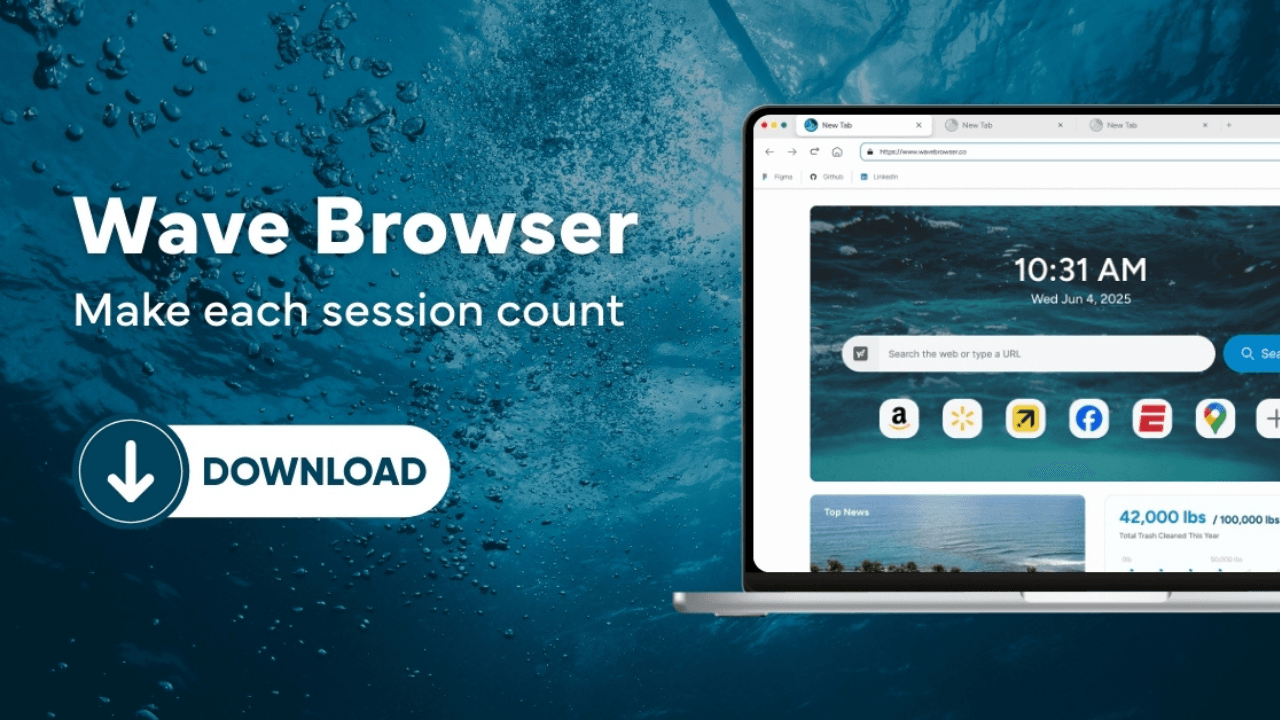
Wave Browser is a web browser that helps fund ocean and waterway cleanup initiatives through its Certified Cleanup Partnership with 4ocean. The best part, anyone can help make a difference just by using the browser.
Through this partnership, support helps crews remove trash and reduce plastic pollution in targeted regions. These efforts contribute to protecting habitats for sea turtles, restoring coral reefs, and improving coastal conditions for local communities.
Cleanup operations focus on removing plastic and trash from our ocean, rivers, and coastlines while supporting the crews and equipment needed to carry out this work.
Everyday Functionality Meets Environmental Goals
An ocean browser is still a browser. Users expect smooth navigation, relevant search results, and seamless integration with tools they already use.
Modern options often include features such as:
- Customizable search engines
- Tab management tools
- Bookmark management
- Private or incognito browsing mode
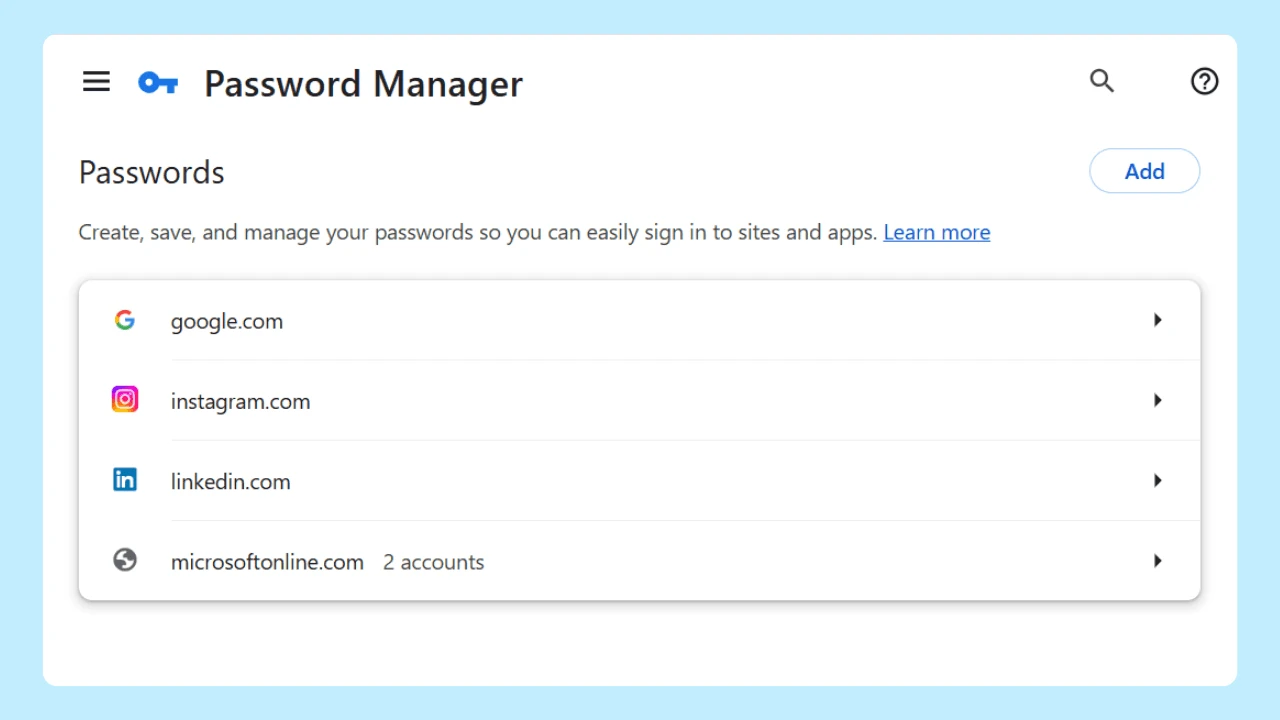
- Built-in password manager
- Extension or add-on support
- Sync across devices (desktop and mobile)
- Basic tracking controls or security settings
- Download manager
- Dark mode support
The goal is to maintain reliable performance and everyday functionality while connecting routine activity to a broader environmental mission. For many users, that means no disruption to their workflow; simply setting it as their default browser and continuing their regular tasks as usual.
Navigating Toward a Sustainable Planet
An ocean browser is built on the idea that small digital actions can contribute to large-scale environmental outcomes. By linking everyday browsing to verified cleanup initiatives, it seeks to create a bridge between technology and environmental stewardship.
As discussed earlier, Wave Browser represents one example of how this concept can be implemented. Through partnerships that support real ocean cleanup, public milestone celebrations, and structured reporting, it illustrates how a browser can connect daily online activity to measurable environmental progress.
In a world facing growing plastic pollution, tools that align routine digital behavior with structured cleanup efforts offer one pathway toward a greener future and healthier, cleaner waters for generations to come.