
Sustainability in business is no longer a corporate buzzword reserved for annual reports. It has become something consumers actively look for when choosing where to shop, what to download, and which brands to trust.
Today, people want to support companies that care about their environmental impact, treat communities responsibly, and think beyond short-term profits. From fashion to food delivery to digital platforms, businesses are rethinking their models to balance profitability with responsibility.
Even online tools are evolving.
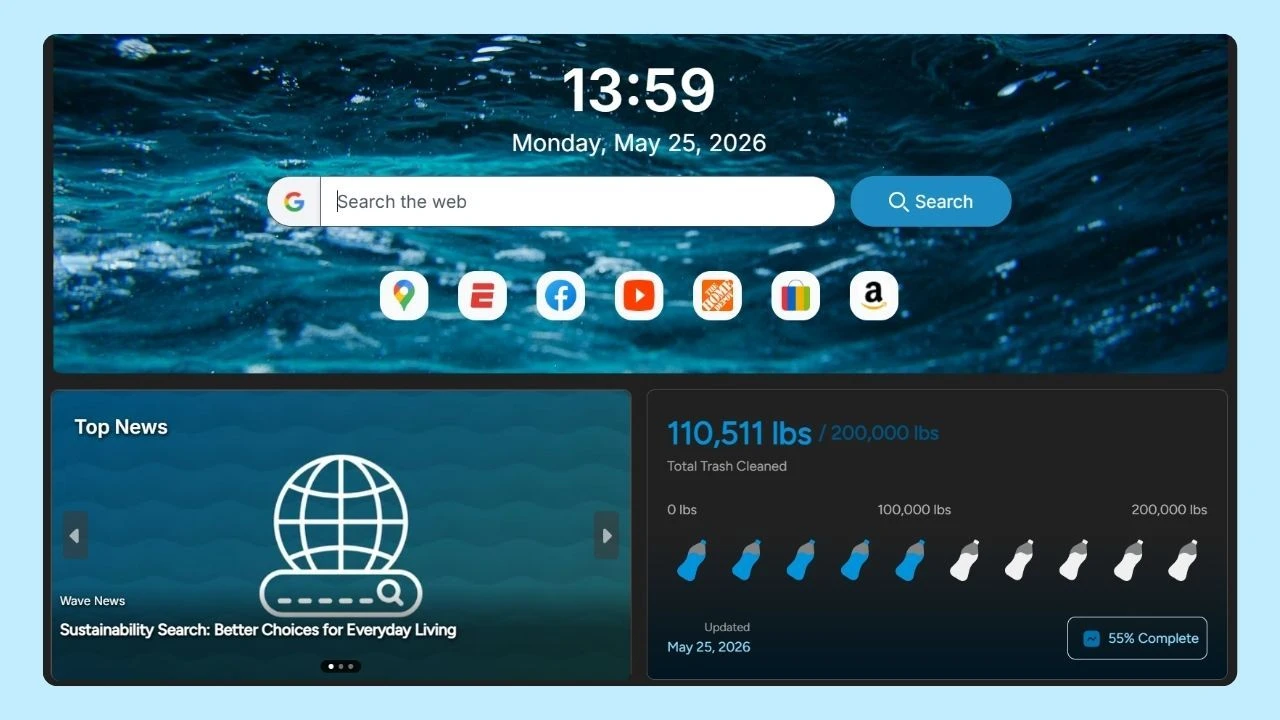
For example, Wave Browser connects everyday online activity to verified ocean cleanup efforts, showing how digital products can align business growth with measurable environmental outcomes. It’s a practical example of how sustainability in business can move from theory into everyday use.
Why Sustainable Business Matters to Consumers

Consumers are more informed than ever. Conversations around climate change, environmental degradation, and ethical sourcing are no longer niche. They’re mainstream. People ask questions like: how does big tech impact the environment and What is this company actually doing to reduce its carbon footprint?
This shift has pushed brands to integrate corporate social responsibility into real business decisions. A sustainable company today considers:
- Its environmental impact
- Its effect on local communities
- Its long-term economic sustainability
In other words, sustainability in business is about building companies that can thrive financially while reducing harm and creating positive impact.
Can Sustainability in Business Drive Long-Term Impact?
Absolutely! But only when it’s consistent.
Sustainability in business works best when it becomes part of everyday business decisions, not a one-time campaign. Companies that align sustainability initiatives and green marketing with long-term strategy create lasting impact across environmental, social, and economic dimensions.
Do Small Businesses Care About Sustainability?
Yes, many small businesses do care about sustainability. They recognize its importance in attracting environmentally conscious customers and enhancing brand loyalty. By implementing sustainable practices, small businesses can reduce costs, improve their reputation, and contribute positively to the environment, demonstrating their commitment to long-term impact and community welfare.
The Foundations of Sustainable Business Practices

At its core, sustainability in business focuses on three pillars:
- Environmental
- Social
- Economic
Together, these pillars support sustainable development and long-term resilience.
Environmental
This includes reducing carbon emissions, improving energy efficiency, shifting toward renewable energy sources, and limiting reliance on fossil fuels. Companies are investing in renewable energy, optimizing operations to lower greenhouse gas emissions, and improving resource management across business operations.
Lowering a company’s carbon footprint is often the first step. That may involve:
- Transitioning to renewable energy
- Investing in waste reduction
- Using sustainable materials
- Redesigning products to support a circular economy
When businesses reduce their environmental footprint, they also reduce operational risks tied to regulation and climate-related disruptions.
Social
Social responsibility extends beyond environmental action. It includes fair labor practices, ethical supply chains, and community engagement. Strong social sustainability strengthens trust and builds long-term brand loyalty.
Consumers increasingly reward companies whose initiatives create measurable social impacts, whether through job creation, fair wages, or community investment.
Economic
A truly sustainable business must remain financially strong. Sustainability in business is not about sacrificing growth. It’s about aligning profitability with purpose.
Companies that embed sustainability strategies into their business models often discover new market opportunities and long-term competitive advantage. Responsible practices can improve financial performance while strengthening brand trust.
How Sustainable Business Practices Shape Everyday Choices
Sustainability isn’t just happening behind the scenes. It shows up in the products and services people use daily.
For example:
- Companies are developing sustainable products using recycled or low-impact materials.
- Retailers are shortening supply chains to reduce transportation emissions.
- Digital platforms are improving energy efficiency in data centers.
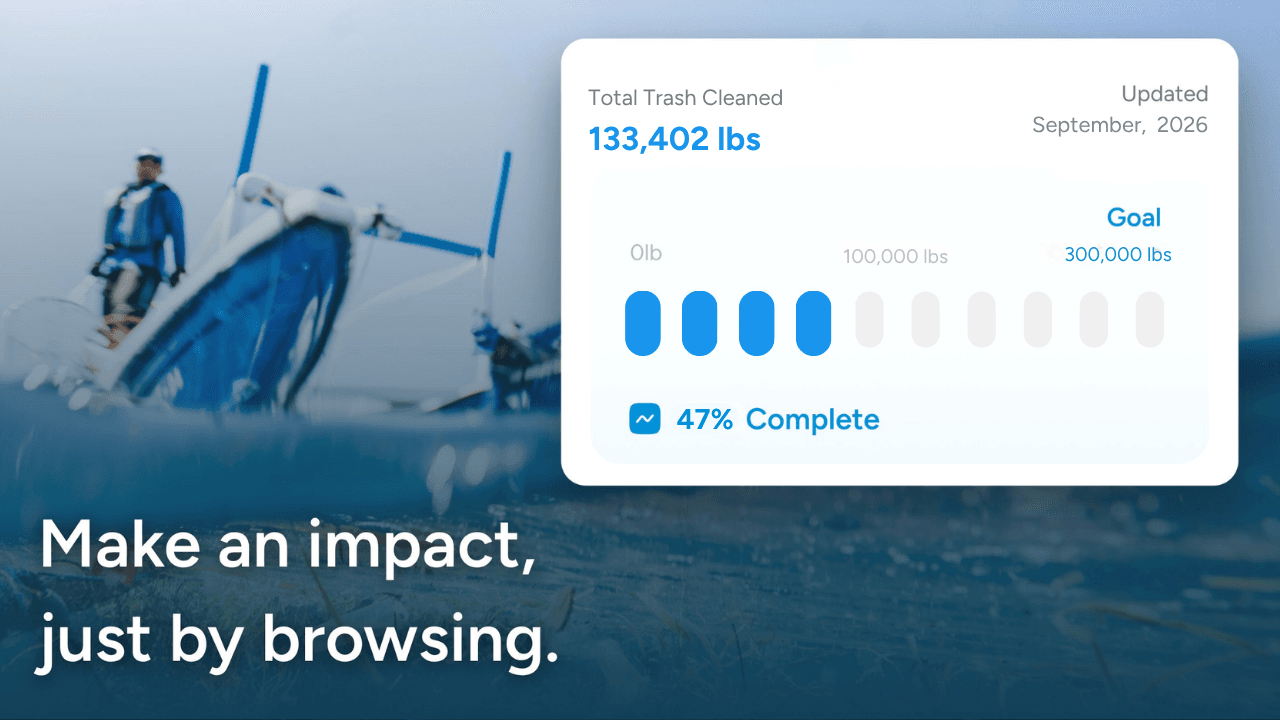
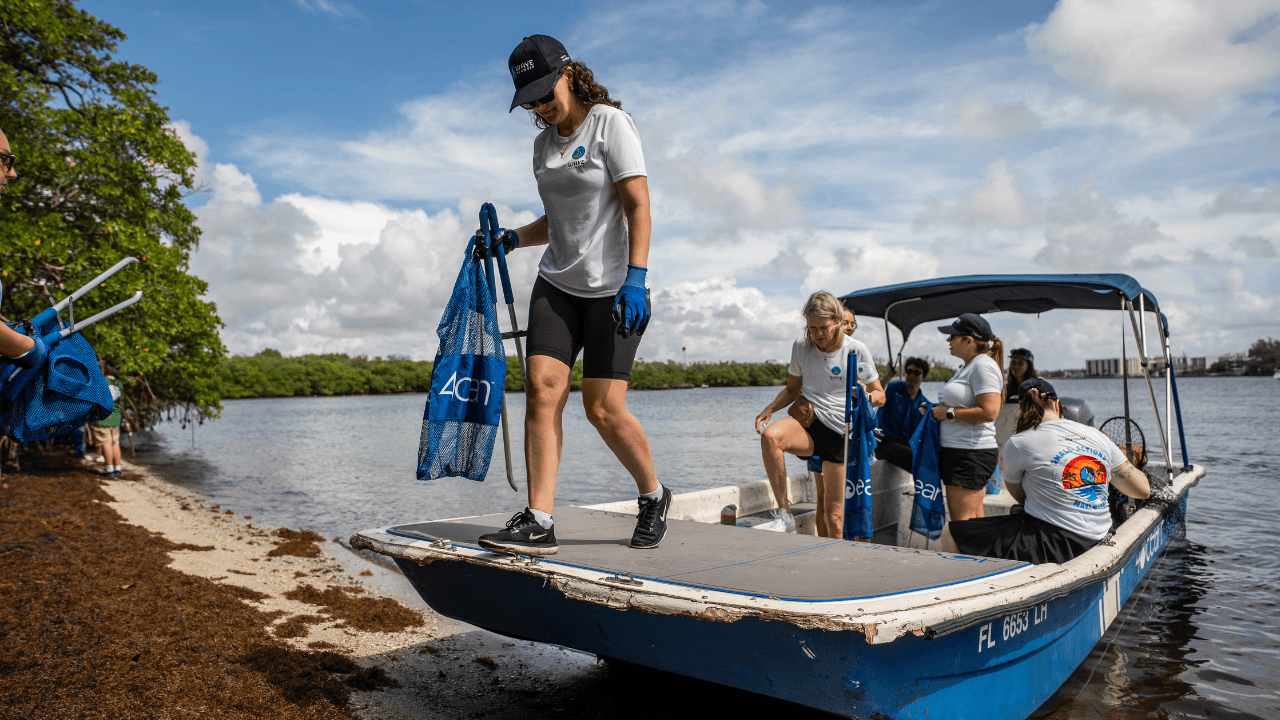
Even browsers are part of this shift. Wave Browser, for instance, connects everyday online activity to verified ocean cleanup efforts through its partnership with 4ocean. It demonstrates how sustainability in business can be integrated into everyday functionality, not just marketing campaigns.
This kind of integration matters because consumers want sustainable solutions that don’t require extra steps or extra cost.
Are Companies Using Sustainability as Strategy?
Yes, and increasingly so. But the important question is whether sustainability is a true core business strategy or simply greenwashing layered into marketing campaigns.
Strong sustainability strategies include:
- Clear goals
- Public targets
- Transparent reports
- Measurable environmental impact data
Environmental, Social and Governance (ESG) frameworks help companies track progress and maintain regulatory compliance. They also provide consumers with transparency around carbon emissions, energy use, and waste reduction.
In Wave Browser’s case, users can see a live impact tracker on the home page, supported by monthly reports that highlight ongoing cleanup progress. In 2025 alone, Wave helped remove over 70,000 pounds of trash from our ocean, rivers, and coastlines, reinforcing its long-term environmental commitment.
What Are the Business Benefits of Sustainability in Business?
Consumers often assume sustainability is purely altruistic. In reality, it provides measurable business benefits.
Companies that commit to sustainability often see:
- Stronger brand loyalty
- Increased trust on social media
- Improved employee engagement
- Better financial performance over the long term
By reducing their environmental footprint and addressing social responsibility, companies build credibility. That credibility becomes a competitive advantage in crowded industries.
Building a More Sustainable Business Future
Ultimately, sustainability in business is about balance. It means meeting today’s needs without compromising future generations. It requires transparency, accountability, and continuous improvement.
Consumers are increasingly rewarding brands that take environmental stewardship seriously. They want companies that acknowledge global challenges and respond with measurable action.
Digital tools are part of that transformation, helping connect everyday behavior to measurable outcomes.
As mentioned earlier, Wave Browser connects everyday browsing to verified ocean cleanup efforts, illustrating how sustainability can be integrated into everyday digital experiences. It’s a small but tangible example of how businesses across industries can rethink their models.
The future of business belongs to organizations that understand this: long-term growth and positive impact are not opposing forces. When companies align sustainability practices with core strategy, they build resilience, strengthen trust, and contribute meaningfully to a more sustainable future.
And that’s what sustainability in business is really about: not just surviving in the market, but helping shape a better one.