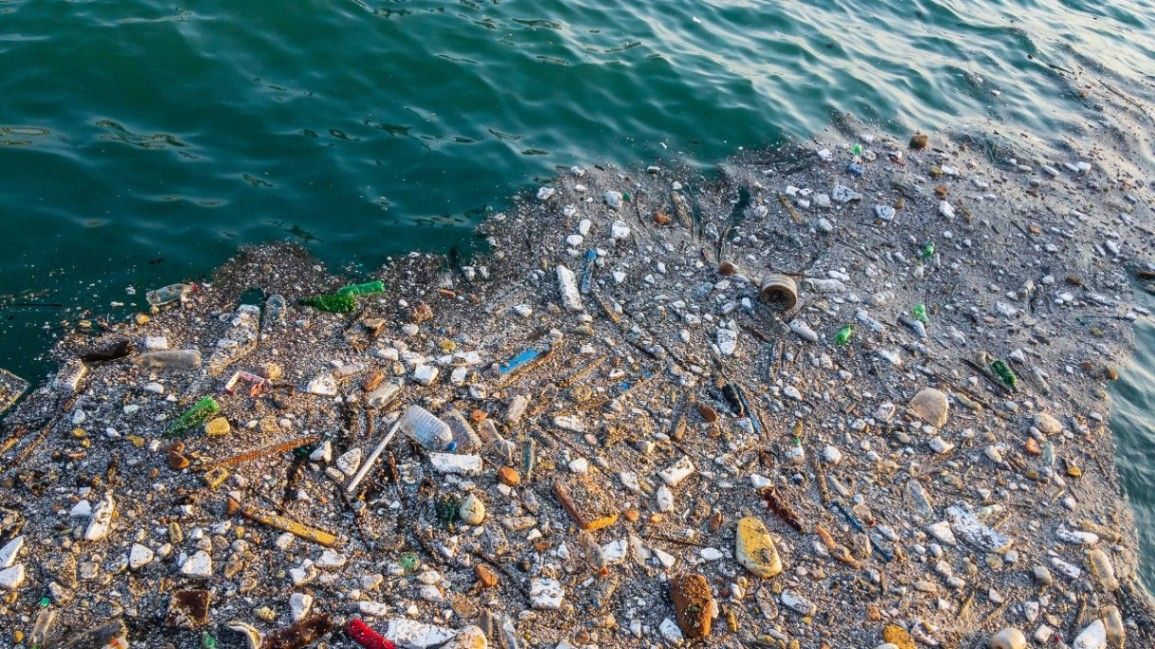
The ocean covers more than half of the planet’s surface and supports billions of people worldwide, providing food, jobs, climate regulation, and much of the oxygen we breathe. Yet ocean pollution, climate change, and plastic waste continue to threaten marine ecosystems on a massive scale.
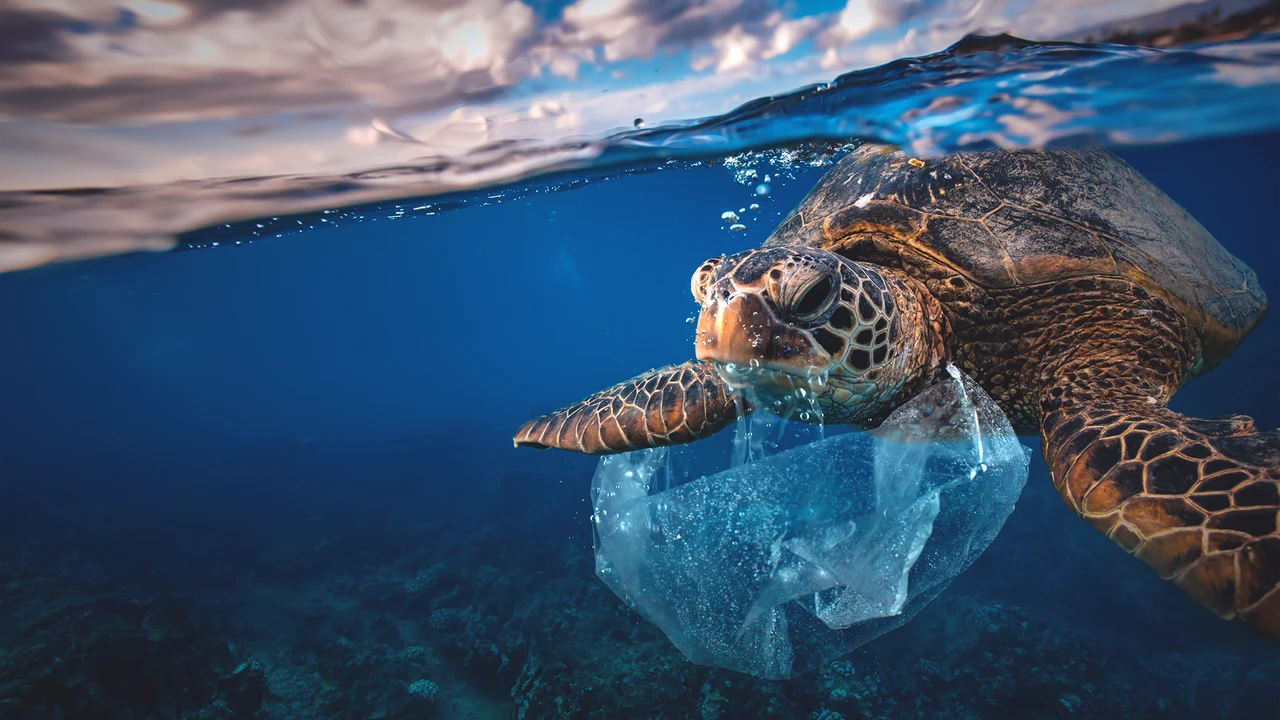
Every year, millions of metric tons of plastic enter our waters. From large debris to microplastics, chemical runoff, and wastewater, pollution harms ecosystems from the North Atlantic to fragile coral reefs. The deaths of sea turtles, dolphins, rays, seabirds, and countless other marine species are directly linked to human activity.
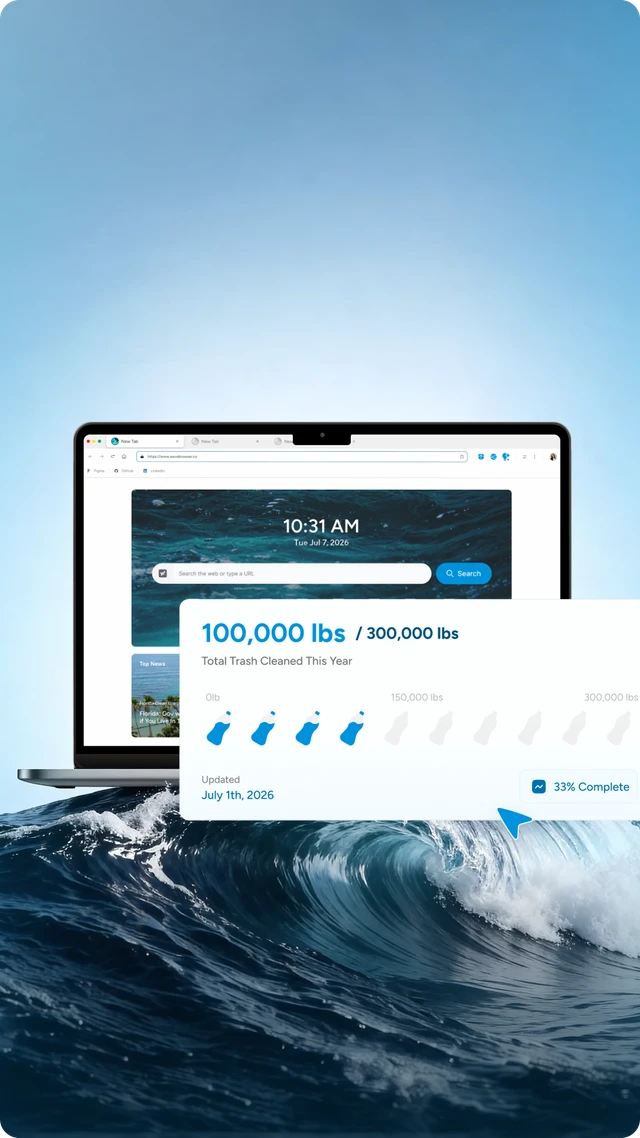
The good news? Individual actions truly matter. From reducing single-use plastics to supporting sustainable brands and spreading awareness, small daily choices can create real impact. Even the tools we use online can contribute, such as eco-conscious platforms like Wave Browser, which support verified ocean cleanup initiatives and show how technology can help turn everyday browsing into positive environmental action.
Here are 10 practical ways to save the ocean and protect marine life starting today.
10 Ways to Save the Ocean
1. Reduce Your Plastic Use
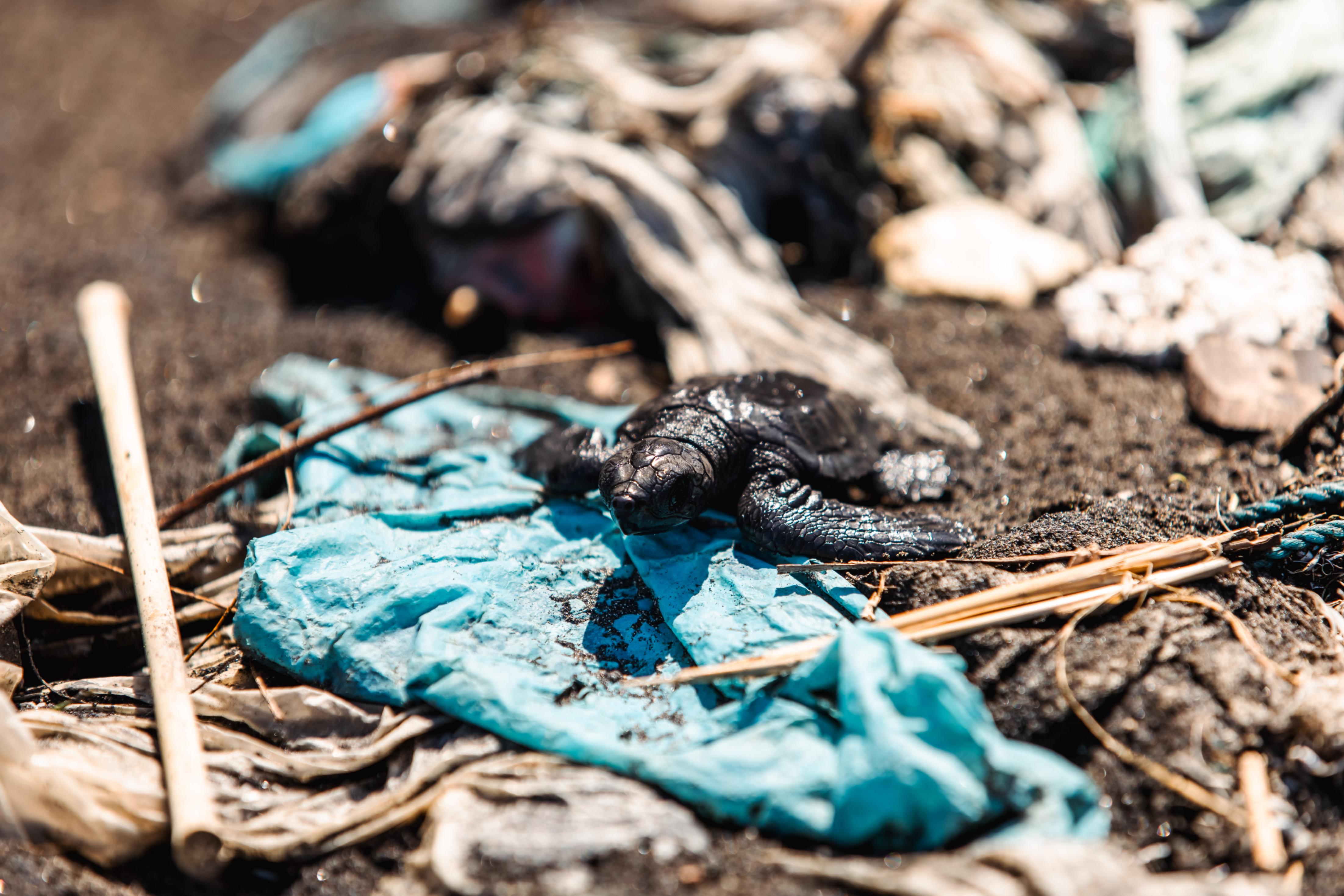
Plastic pollution is one of the biggest threats to the marine environment. Plastic bags, plastic bottles, packaging, and other plastic products often end up in waterways and eventually the ocean. A single plastic bag can take hundreds of years to decompose, breaking down into harmful microplastics that persist in marine ecosystems.
Whenever possible:
- Choose products made from recycled ocean plastic, which help remove existing waste from the water while reducing demand for new plastic production.
- Switch to reusable water bottles and cloth grocery bags.
- Avoid single-use cutlery and be mindful of excess packaging when shopping. Even small reductions in plastic use significantly lower the amount of waste entering landfills and waterways.
Less plastic means fewer microplastics in marine habitats, healthier coral reefs, and fewer risks for turtles, seabirds, and other marine life.
2. Choose Sustainable Seafood
Overfishing and unsustainable fishing methods are damaging marine ecosystems worldwide. When buying seafood, look for certifications like the Marine Stewardship Council, which promotes responsible harvesting practices.
Choosing sustainable seafood protects marine species, reduces habitat destruction, and supports long-term marine conservation efforts. It also discourages destructive practices that threaten rays, dolphins, and other vulnerable animals.
3. Support Marine Conservation Organizations
Groups like Oceana and other organizations work globally to defend marine habitats and establish marine protected areas. These zones give marine animals safe spaces to recover and reproduce.
Supporting conservation efforts — through donations, volunteering, or sharing awareness on Facebook and other platforms — helps strengthen ocean conservation initiatives.
4. Participate in Local Cleanups
Joining a local beach cleanup is a simple and impactful way to stop trash before it reaches the ocean. Events like the International Coastal Cleanup help remove plastic debris and protect marine ecosystems.
Beyond local efforts, global initiatives are also creating measurable impact.
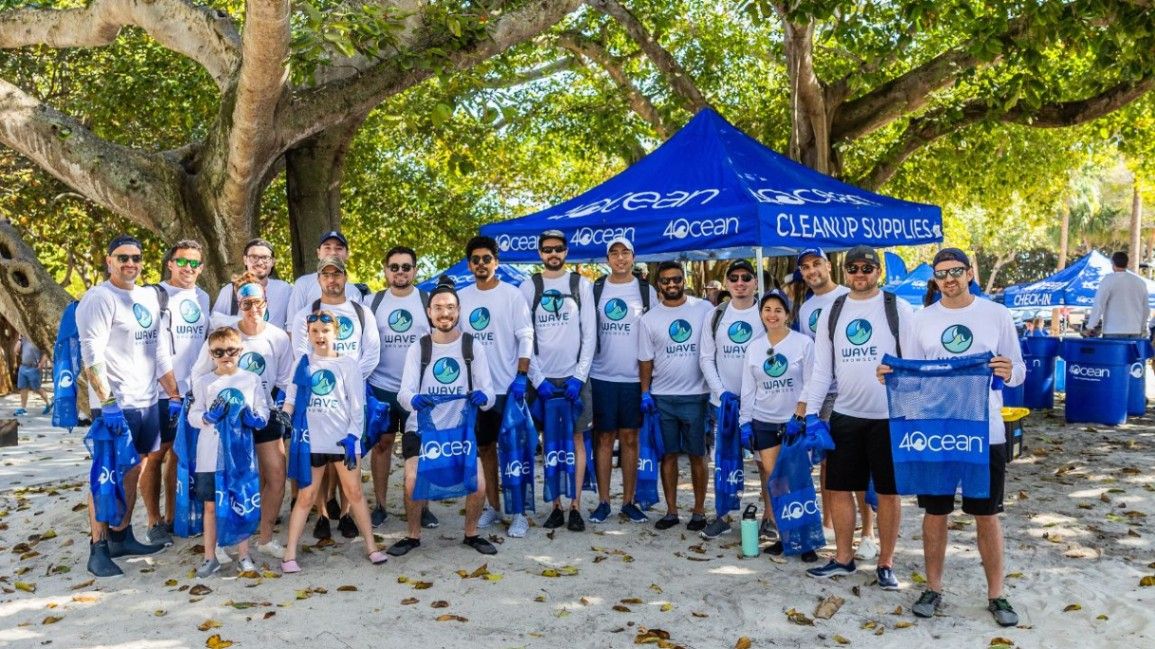
4ocean has removed millions of pounds of ocean waste; a milestone celebrated when Wave Browser joined 4ocean in marking 50 million pounds of trash removed, showing how collective action can drive real environmental change.
5. Be Mindful of Everyday Products
Many everyday products contribute to marine pollution without us realizing it. Microplastics are found in some cosmetics and toothpaste. Certain products use shark squalene, derived from sharks, or materials like sea turtle shell.
Choosing alternatives that are responsibly sourced reduces pressure on marine species and discourages exploitation.
6. Lower Your Carbon Footprint
Climate change directly affects the marine environment. Rising temperatures contribute to coral bleaching, ocean acidification, and disruptions in marine habitats.
Reducing your carbon footprint helps limit carbon emissions that warm the planet. Simple actions like cutting back on air travel, improving energy efficiency at home, and choosing renewable energy options can have a meaningful impact.
Less carbon pollution supports healthier marine ecosystems and a healthier future overall.
7. Reduce Harmful Runoff and Wastewater
Pesticides, fertilizers, and untreated wastewater often flow into rivers and oceans, introducing harmful pollutants. These substances damage corals, harm marine animals, and disrupt delicate ecosystems.
Using fewer pesticides, properly disposing of chemicals, and supporting improved wastewater treatment systems all help reduce marine pollution.
8. Avoid Products Linked to Habitat Destruction
Some products drive habitat destruction in coastal areas. Mangroves, wetlands, and coral reefs are often cleared or damaged for development or resource extraction.
Being informed about supply chains and supporting responsible brands helps reduce environmental degradation and protect marine habitats critical for turtles, dolphins, and seabirds.
9. Advocate for Stronger Ocean Policies
Marine protected areas, sustainable fishing regulations, and plastic reduction policies make a big difference at scale. Signing petitions, contacting representatives, and staying informed about legislation strengthens long-term ocean conservation.
Policy change is essential to reduce the metric tons of plastic entering oceans each year and address unsustainable fishing methods that threaten marine species worldwide.
10. Use Digital Tools That Support Real Ocean Cleanup
Technology can also play a role in protecting marine ecosystems. Some digital platforms are designed to connect everyday online activity with verified cleanup initiatives.
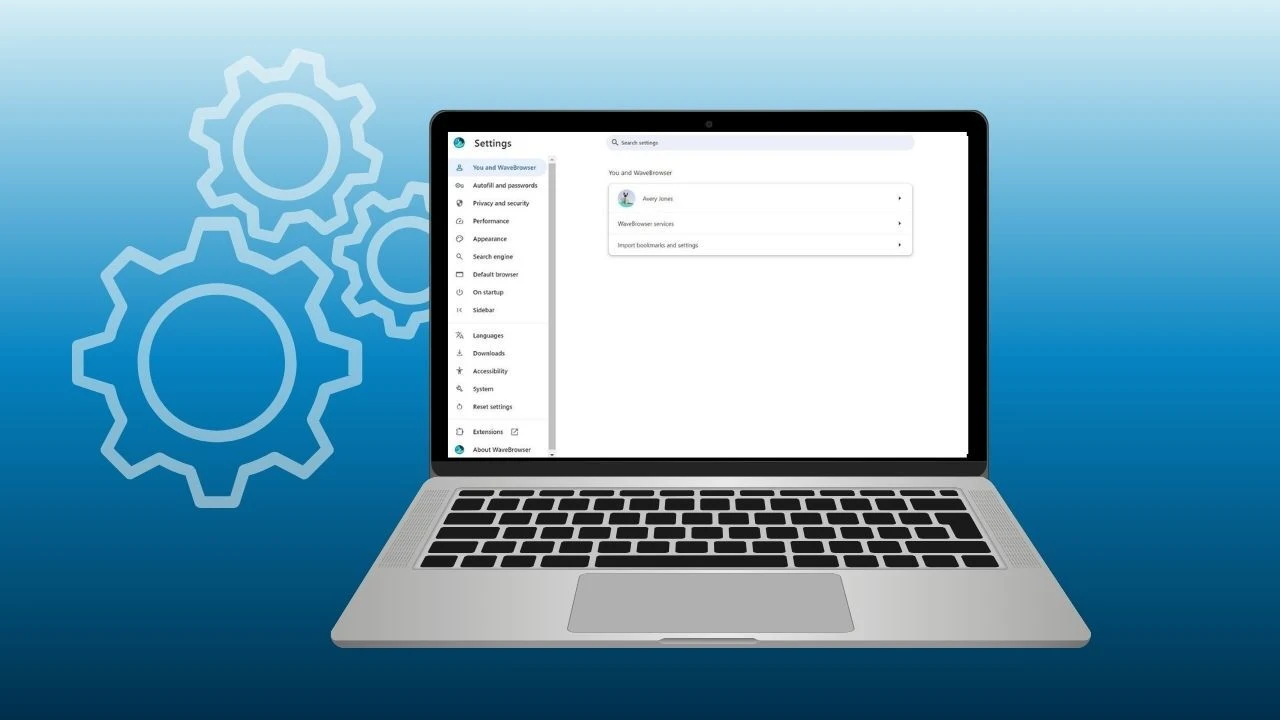
Wave Browser, for example, connects browsing activity to real ocean cleanup efforts through a certified partnership with 4ocean. Its support helps fund cleanup crews who remove plastic waste from our ocean, rivers, and coastlines. Users can see a live impact tracker showing progress over time.
While switching to a green browser won’t solve plastic pollution alone, it’s a simple way to align daily digital habits with ocean conservation. When combined with other sustainable choices, it contributes to a measurable positive impact.
Why These Actions Matter To Protect The Ocean
The ocean is home to extraordinary marine life, yet plastic waste, overfishing, habitat destruction, and climate change continue to strain fragile ecosystems. The amount of plastic entering the ocean each year is staggering, and without action, it will only increase.
That’s why conversations around “10 ways to save the ocean” matter. From reducing plastic use and choosing sustainable seafood to lowering carbon emissions and supporting conservation groups, practical daily choices help protect marine environments.
Even the digital tools we use can contribute. Eco-friendly browsers like Wave Browser, which support verified ocean cleanup efforts, show how technology can align with environmental responsibility and help turn everyday browsing into positive impact.
Every action may seem small on its own.
But together, they create meaningful, lasting change for our oceans.