Every year, Earth Day reminds us that protecting the planet is not just a global responsibility—it’s a personal one. What began as a grassroots movement in 1970 has grown into a worldwide annual event recognized by more than 190 countries and supported by organizations like the United Nations, where it is also known as International Mother Earth Day.
The scale of today’s environmental challenges makes that message more urgent than ever.
Rising levels of carbon dioxide and other greenhouse gases continue to drive climate change, while pollution, plastic waste, and overuse of Earth’s natural resources threaten ecosystems and biodiversity. According to Global Environmental Research, human activity has already altered the balance of the natural world, making environmental protection a defining issue for our time.
As people spend more time online, even everyday tools are beginning to reflect this shift in awareness.
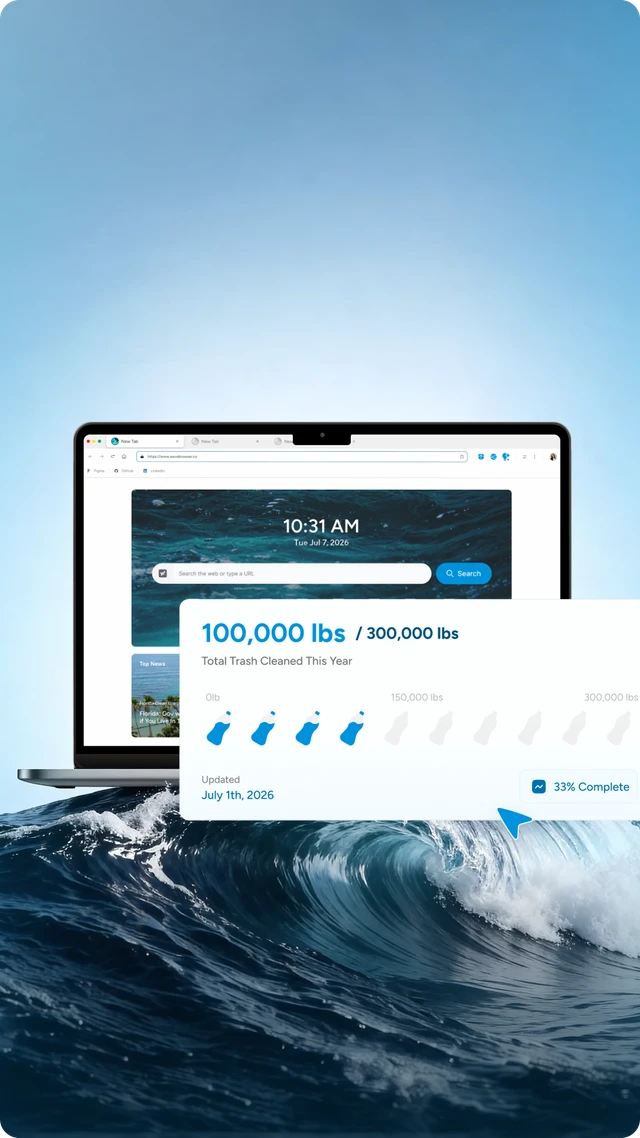
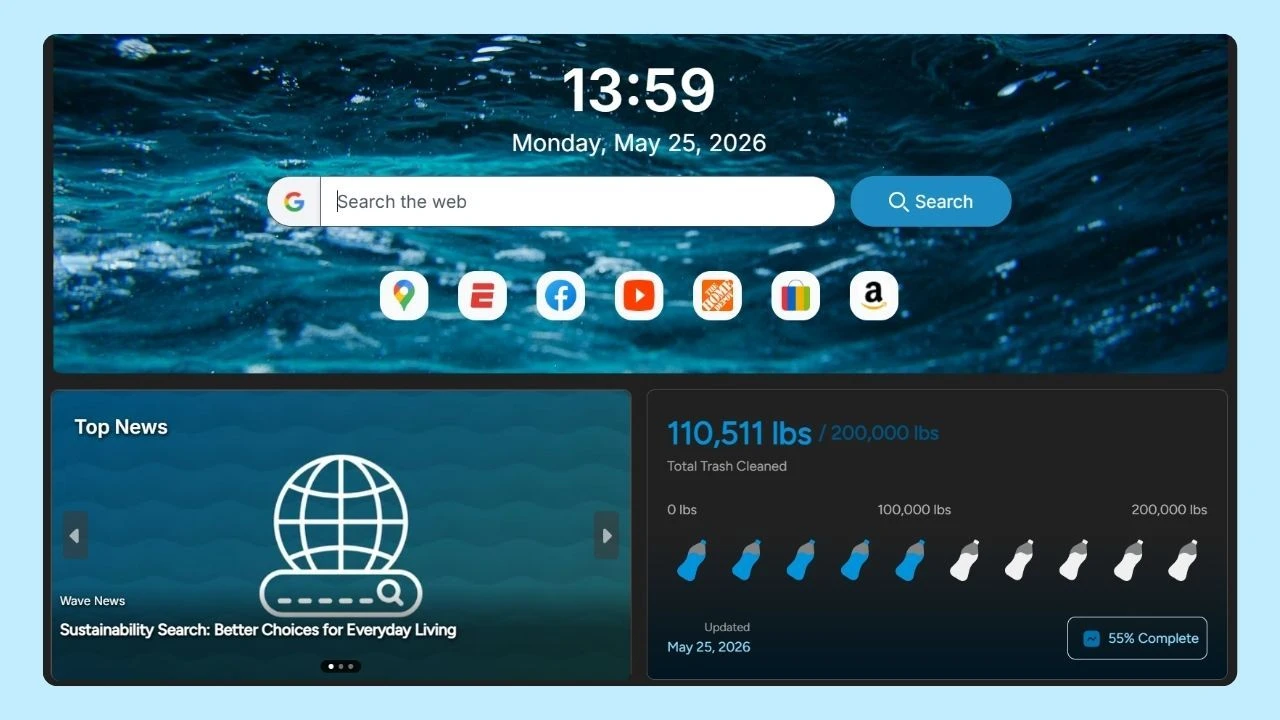
Platforms like Wave Browser, a web browser that builds ocean cleanup into everyday browsing, show how digital habits can align with environmental values, connecting routine online activity with broader efforts that support a cleaner, more sustainable environment. It’s a reflection of a larger cultural change: people want their daily choices, no matter how small, to contribute to meaningful impact.
From reducing your carbon footprint and limiting reliance on fossil fuels to supporting policies that protect clean air and clean water, Earth Day has evolved far beyond a single day of recognition. It now represents a global environmental movement—one that continues to influence public awareness, policy decisions, and the future of the planet itself.
What is Earth Day?
Earth Day is an annual event celebrated on April 22, dedicated to raising awareness about environmental issues such as climate change, pollution, and the protection of Earth’s natural resources.
The first Earth Day took place in 1970 in the United States, led by the founder of Earth Day, Senator Gaylord Nelson, who had previously served as the governor of Wisconsin. Inspired by environmental disasters like the oil spill off the coast of Santa Barbara, Nelson worked with a national coordinator to organize teach-ins across college campuses, engaging millions of college students.
This moment marked the beginning of the modern environmental movement, eventually influencing the creation of the Environmental Protection Agency (EPA), also known as the United States Environmental Protection Agency.
Earth Day also led to major legislation like:
- The Clean Air Act
- The Clean Water Act
- Protections for endangered species
Today, Earth Day has grown into a global event supported by the United Nations. Organizations like the Earth Day Network help coordinate worldwide Earth Day events, connecting local communities and even indigenous peoples in a shared mission.
Why Do We Celebrate Earth Day?
We celebrate Earth Day to bring attention to urgent challenges like global warming, greenhouse gases, and rising levels of carbon dioxide caused by reliance on fossil fuels.
The day highlights the need for:
- Clean air and improved water quality
- Access to clean water
- Protection of natural resources
- Transition to renewable energy
It also plays a role in shaping the national agenda and international policies like the Paris Climate Agreement and discussions at events like the Earth Summit, held in Rio de Janeiro. This date aligns closely with seasonal moments like the spring equinox and the first day of spring, symbolizing renewal and the chance to restore balance in the natural world.
Over time, it has influenced environmental studies, public awareness, and even earned recognition at the highest levels, with environmental leaders receiving honors such as the Presidential Medal of Freedom.
The theme of Earth day changes each year but always centers around one core idea: protecting planet Earth for future generations.
How Has Earth Day Made a Difference in Our Lives?
Earth Day has significantly raised awareness about environmental issues, inspiring collective action for sustainability. It encourages individuals and communities to engage in eco-friendly practices, influencing policies and fostering a global movement. This annual event unites people in their commitment to protecting the planet for future generations.
What Can We Do for Earth Day?
Earth Day is not just about awareness; it’s about action. Real change happens when small, consistent choices add up over time. Here are meaningful ways you can take part and make a lasting impact:
1. Reduce Waste
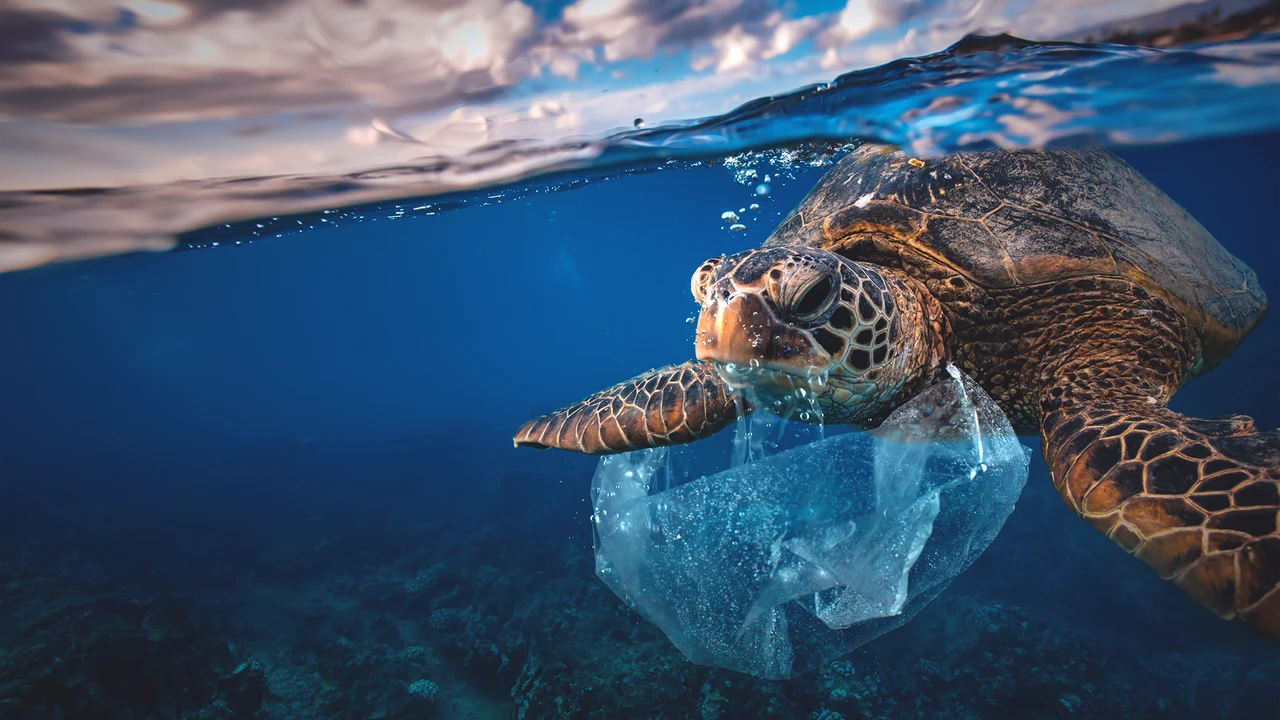
Start by paying attention to what you throw away. Swap single-use items for reusable alternatives like water bottles, plastic bags, and containers. Be more intentional about recycling, and even more importantly, reducing what you consume in the first place. Less waste means less strain on landfills and oceans.
2. Conserve Energy
Energy use is one of the biggest contributors to environmental impact. Turn off lights when they’re not needed, unplug devices, and choose energy-efficient appliances when possible. If available, consider transitioning to renewable energy sources like solar or wind. It’s one of the most effective long-term changes you can make.
3. Support Clean Initiatives
Your voice matters. Support organizations and policies that prioritize clean air, clean water, and sustainable practices. Whether it’s signing petitions, voting, or supporting responsible brands, collective action helps push environmental protection forward.
4. Lower Your Carbon Footprint
Transportation is a major source of emissions. Walking, biking, carpooling, or using public transport can significantly reduce your carbon footprint. Even small changes—like combining errands into one trip—can make a difference over time.
5. Get Involved Locally
Environmental impact starts at the community level. Join local cleanups, plant trees, or participate in sustainability programs. These activities not only improve your immediate surroundings but also build a sense of shared responsibility and connection.
6. Educate and Advocate
Stay informed about environmental challenges and share what you learn. Conversations with friends, family, and colleagues can inspire others to take action. Awareness is powerful but only when it leads to change.
7. Make Everyday Choices Count
Sustainability isn’t just about big gestures; it’s about daily habits. The products you use, the brands you support, and even the tools you choose online all reflect your values. Tools like Wave Browser highlight how everyday digital activity can connect to real-world environmental impact, showing that even routine actions can contribute to a larger purpose.
Wave Browser and 4ocean Strike Mission
Earth Day is more than a moment; it’s a reminder of the ongoing work needed to protect our ocean.
With our partnership with 4ocean, that work is already in motion. Together, we help fund the removal of plastic and trash from our ocean, rivers, and coastlines—supporting cleanup crews, equipment, and operations around the world. Each month, this impact is tracked and reported, showing where cleanup is happening and how much has been removed.
That momentum started with our first Strike Mission, when we joined a beach cleanup in Florida, turning our commitment into direct, on-the-ground action. It set the foundation for how we connect everyday browsing to real-world impact.
Because protecting our ocean isn’t limited to one day. It’s built through the actions that continue after it.
A Future Worth Protecting
Earth Day started as a movement driven by United States Senator Nelson, along with graduate students and activists, but today it’s a global reminder that protecting the planet requires collective effort. From policy changes to personal habits, every step contributes to a more sustainable environment.
As we look ahead, the goal remains clear: preserve our natural resources, reduce environmental harm, and ensure a healthier planet for generations to come.
That same mindset is beginning to shape how people interact with technology.
Wave Browser reflects this shift through its eco-conscious mission, connecting everyday browsing with real-world environmental impact. Through a certified partnership with 4ocean, Wave helps fund the removal of plastic and trash from our ocean, rivers, and coastlines, showing how digital habits can contribute to tangible change.
And just like Earth Day shows us, meaningful change doesn’t always require big sacrifices. Sometimes, it starts with simple, intentional choices. Even the way we browse the web can reflect a broader commitment to protecting the world we all share.