Every year on July 3rd, people around the world observe International Plastic Bag Free Day, a global initiative that encourages individuals, businesses, and communities to reduce their reliance on single-use plastics.
The day serves as a reminder that everyday choices, such as bringing a reusable bag to the store, can help address the growing plastic pollution crisis.
At Wave Browser, environmental impact is part of our mission. Through our partnership with 4ocean, Wave helps support the removal of plastic and trash from our ocean, rivers, and coastlines.
This year, we celebrated an incredible milestone alongside 4ocean: 50 million pounds of ocean plastic and trash removed, demonstrating the collective impact that businesses, communities, and individuals can make when working toward a cleaner future.
What Is International Plastic Bag Free Day?
International Plastic Bag Free Day is an annual awareness campaign that highlights the environmental and health impacts associated with the widespread use of plastic bags. Celebrated every year on July 3rd, the initiative encourages consumers to rethink their habits and explore more sustainable alternatives.
The movement has gained support from environmental organizations around the world, including groups such as Zero Waste Europe, which advocates for reducing unnecessary waste and promoting responsible consumption.
The goal is simple: reduce dependence on disposable plastic bags and encourage long-term behavior changes that can help reduce waste on a global scale.
Why International Plastic Bag Free Day Matters
The use of plastic bags may seem like a small issue compared to larger environmental challenges, but the cumulative impact is significant. Many bags are used for only a few minutes before being discarded. Yet they can remain in the environment for decades.
Reducing the use of thin plastic bags can help:
- Decrease litter in communities
- Reduce beach pollution
- Protect wildlife habitats
- Lower demand for new plastic production
- Support better waste management
Even small reductions in daily consumption can contribute to meaningful environmental improvements over time.
The History of the Plastic Bag
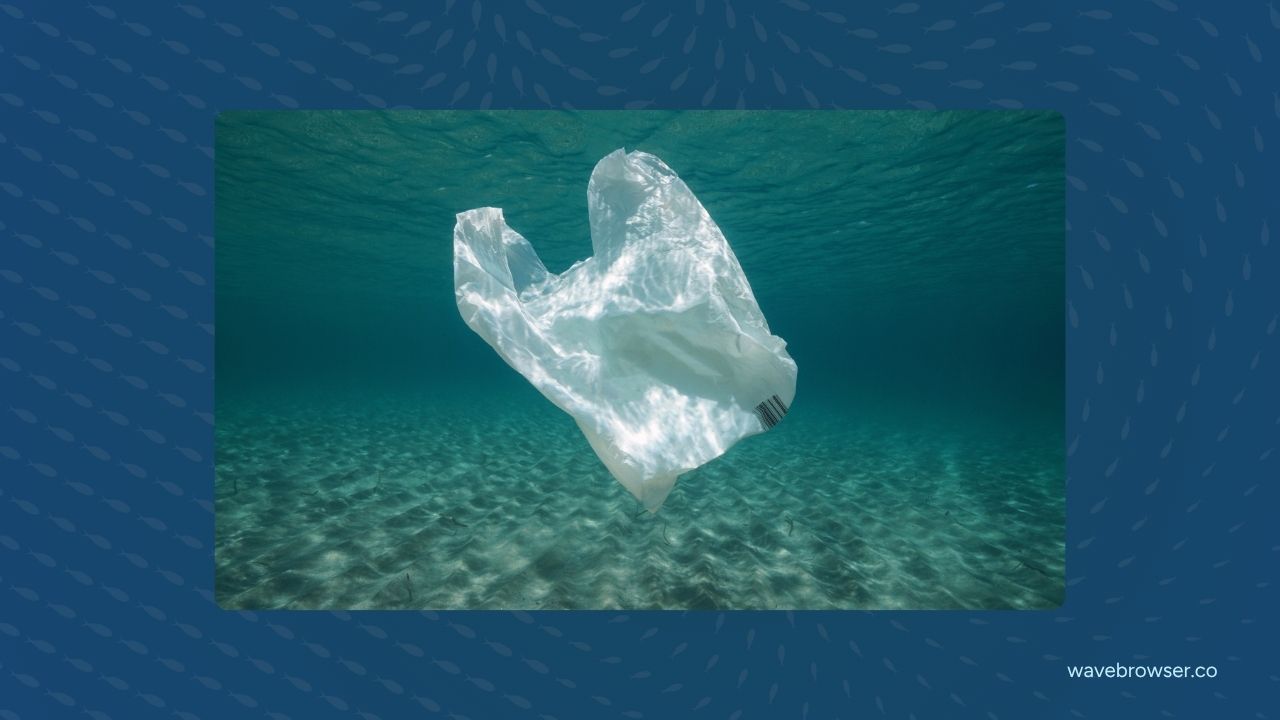
The modern plastic bag was developed in the 1960s by Swedish engineer Sten Gustaf Thulin. His invention was originally designed to replace paper bags, which were viewed as less efficient and more resource-intensive at the time.
Ironically, the invention was intended to create a durable shopping solution that could be reused many times. However, over time, the convenience and low cost of production led to the widespread use of disposable plastic bags.
Today, billions of plastic bags are used each year around the world, with many being discarded after only a single use.
Sustainable Alternatives
Fortunately, there are many practical alternatives available today. Many consumers now bring their own bag when visiting grocery stores, reducing their reliance on single-use products.
Popular options include:
- Reusable shopping bags
- Cloth tote bags
- Durable grocery bags
- Recycled material bags
- Reusable produce bags
Some eco-friendly companies are also developing products made from recycled ocean plastic, helping recover materials that might otherwise remain in the environment.
These sustainable alternatives can help reduce waste while encouraging more responsible consumption habits.
Why Plastic Pollution Remains a Global Problem
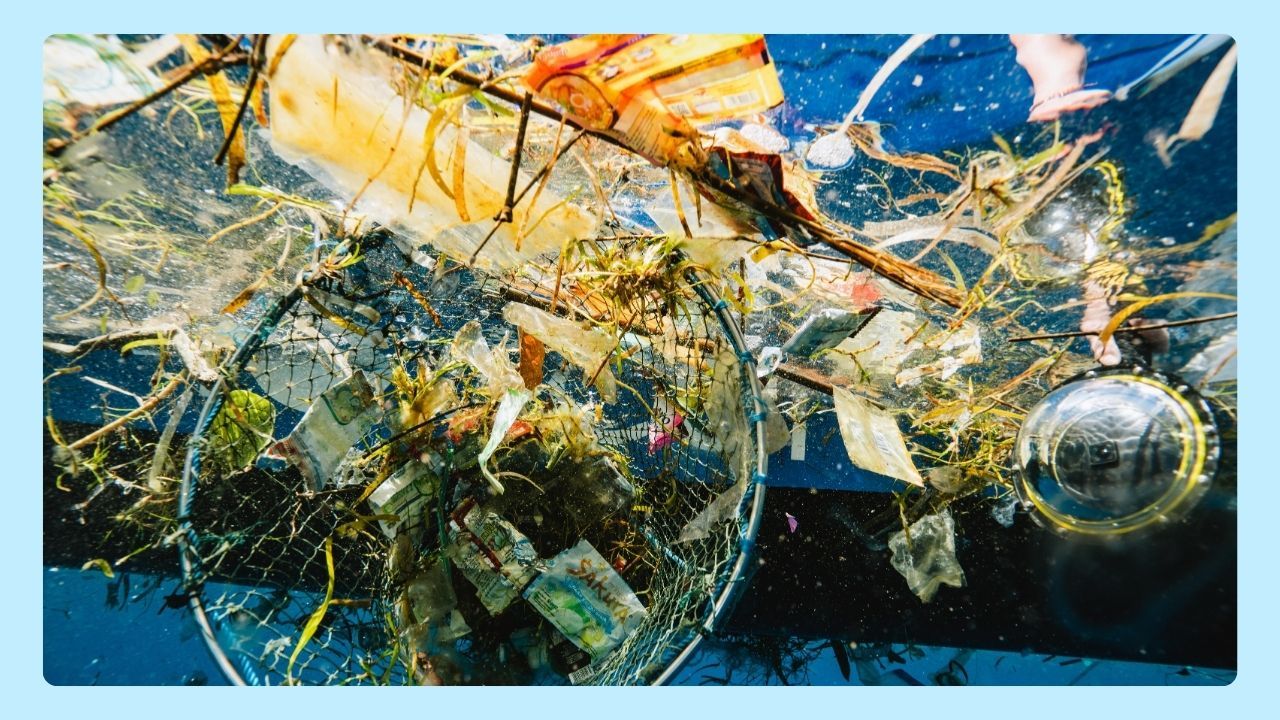
The convenience of plastic has come with significant environmental costs. The growing plastic pollution problem affects ecosystems, wildlife, waterways, and communities worldwide.
Some of the biggest challenges include:
- Increasing amounts of waste entering the environment
- Blocked drainage systems that contribute to flooding
- Growing concentrations of plastic in rivers and oceans
- Harm to marine life and other forms of animal life
- Long-term waste management challenges
Because plastic can take hundreds of years to break down, much of the material ever produced still exists in some form today.
Plastic Pollution and Our Ocean
One of the most visible examples of ocean pollution is the Great Pacific Garbage Patch, a massive accumulation of floating debris in the Pacific Ocean.
Unfortunately, this is only one example of a much larger issue affecting the world's oceans. Every year, millions of tons of plastic enter marine environments, where larger pieces gradually break apart into smaller fragments.
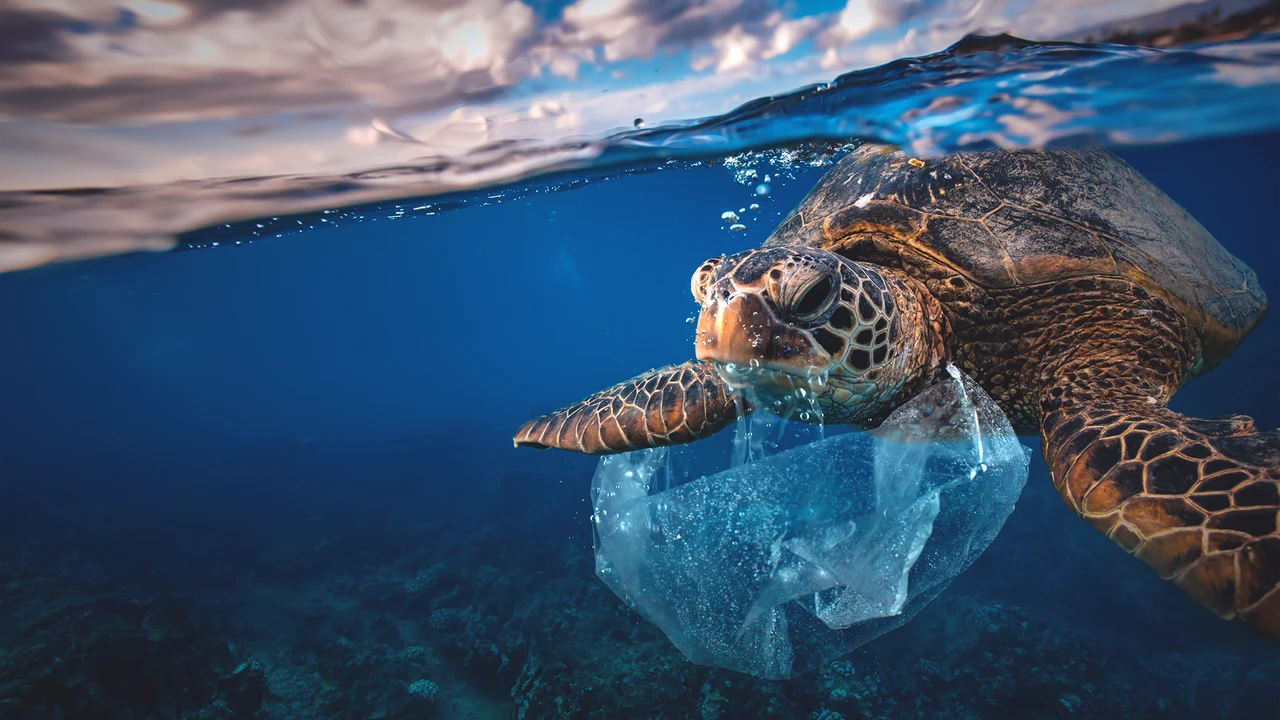
These plastic particles can be found throughout marine ecosystems and often become part of the food chain. Fish, seabirds, turtles, and other marine species can mistake it for food, leading to injury, starvation, or death.
As a result, reducing plastic consumption has become a major focus for environmental organizations around the world.
The Impact of Plastic on Human Health
Plastic pollution is not only an environmental issue. Researchers continue to study the potential effects of plastic exposure on human health.
As plastic breaks down, microscopic particles can enter water supplies, food sources, and ecosystems. Some studies have raised concerns about chemicals commonly found in plastic products, including substances classified as endocrine disruptors.
Scientists are investigating possible links between long-term exposure and various health risks, including:
- Negative health effects on development
- Potential impacts on reproductive health
- Concerns related to birth defects
- Possible immune system suppression
While research continues, many experts agree that reducing unnecessary plastic use is a practical step toward minimizing potential risks.
How Plastic Reduction Supports Climate Goals
Plastic production is closely linked to fossil fuel extraction and manufacturing processes that contribute to greenhouse gas emissions. Reducing unnecessary plastic use can help lower the overall carbon footprint associated with production, transportation, and disposal.
While reducing plastic alone will not solve climate change, it represents one of many actions that can contribute to broader sustainability efforts. This is why many environmental organizations view plastic reduction as part of a larger movement toward more sustainable lifestyles.
How Wave Browser Supports a Cleaner Future
Protecting our ocean requires action from individuals, organizations, and businesses alike. That's why Wave Browser has built environmental impact directly into its mission.
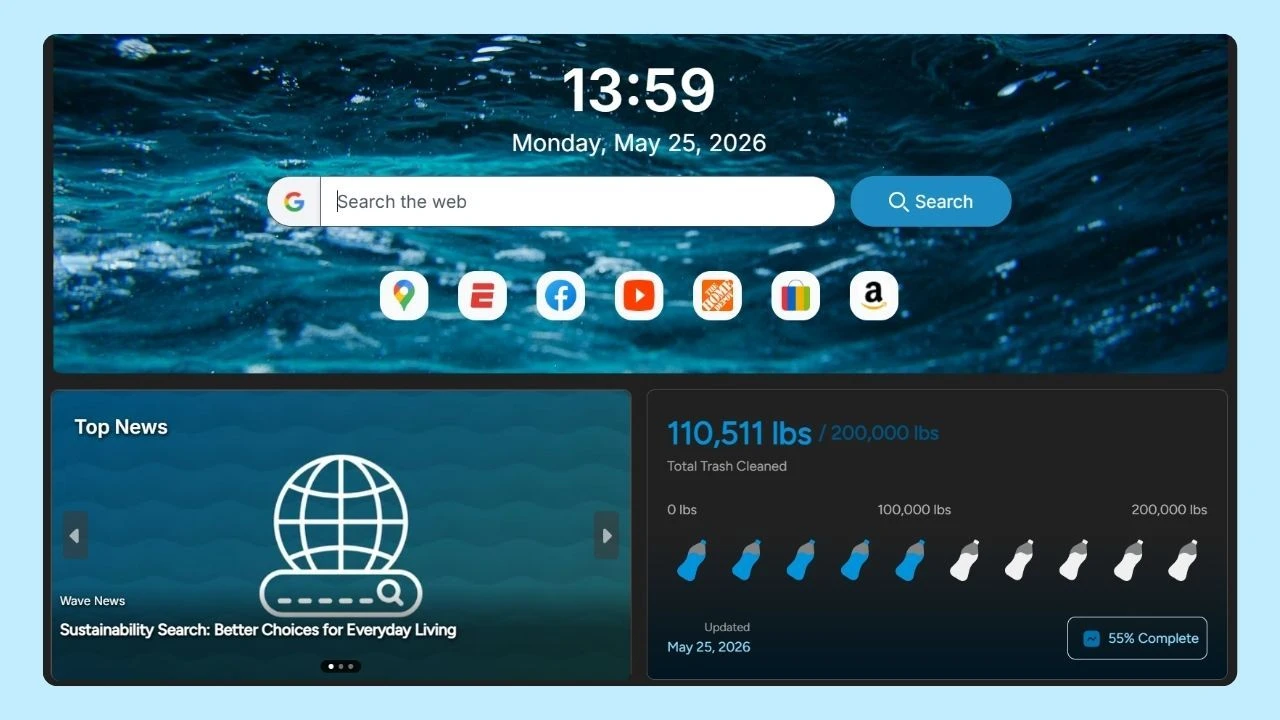
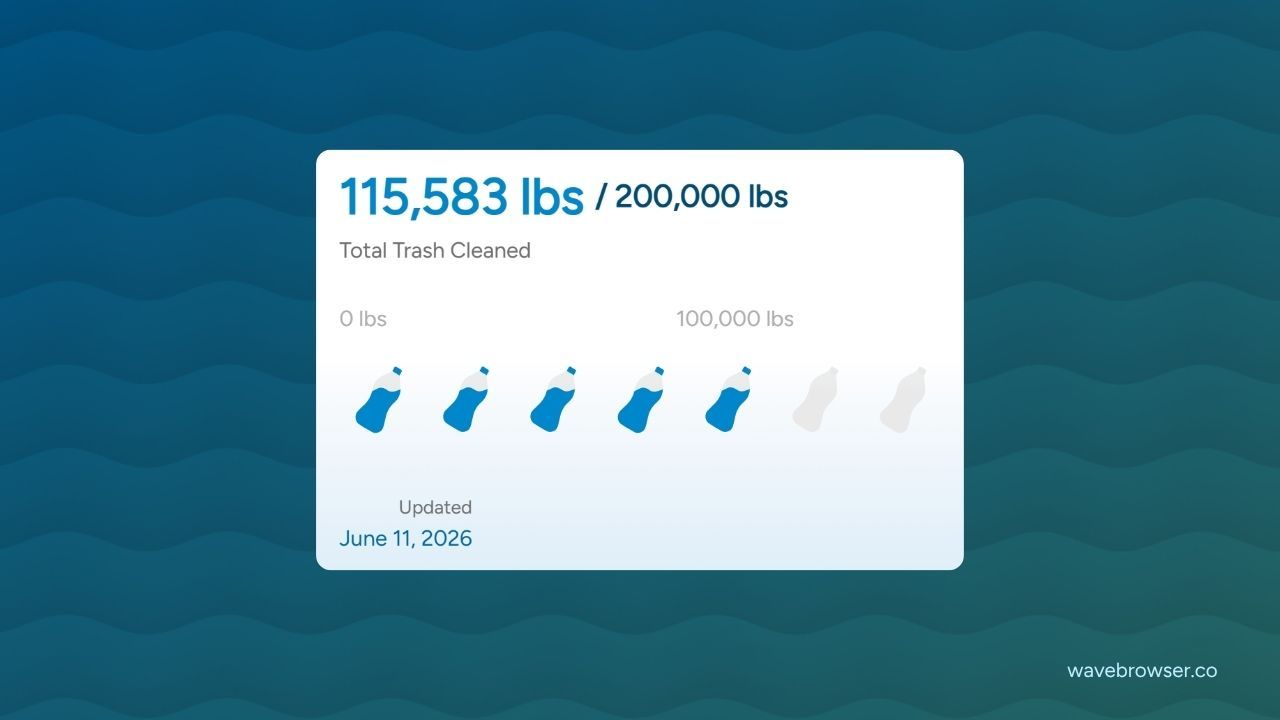
Through its partnership with 4ocean, Wave helps fund efforts that remove plastic and trash from our ocean, rivers, and coastlines. Users can also track this progress through the impact tracker featured on the Wave Browser homepage, providing greater transparency into ongoing cleanup efforts.
The initiative is part of a long-term commitment to support the removal of 300,000 pounds of trash from the ocean, rivers, and coastlines by 2028, helping create measurable environmental impact while delivering a productive browsing experience.
International Plastic Bag Free Day serves as a powerful reminder that small choices can have lasting effects. Whether it's carrying a reusable shopping bag, reducing unnecessary plastic consumption, or supporting organizations working to address pollution, every action contributes to a healthier future.
The challenge of pollution will not be solved overnight, but progress happens when individuals, communities, and businesses work together.
At Wave Browser, that commitment extends beyond the web through support for verified ocean cleanup efforts and a mission to help create a cleaner future for our ocean. By combining everyday actions with meaningful environmental initiatives, we can help reduce plastic waste and protect the natural world for future generations.