Every year on August 1st, people around the world celebrate World Wide Web Day, honoring one of history's greatest technological innovations.
Since the launch of the first website, the World Wide Web has evolved into a global platform that supports education, business, entertainment, research, and billions of daily interactions. And, most online experiences begin with a web browser.
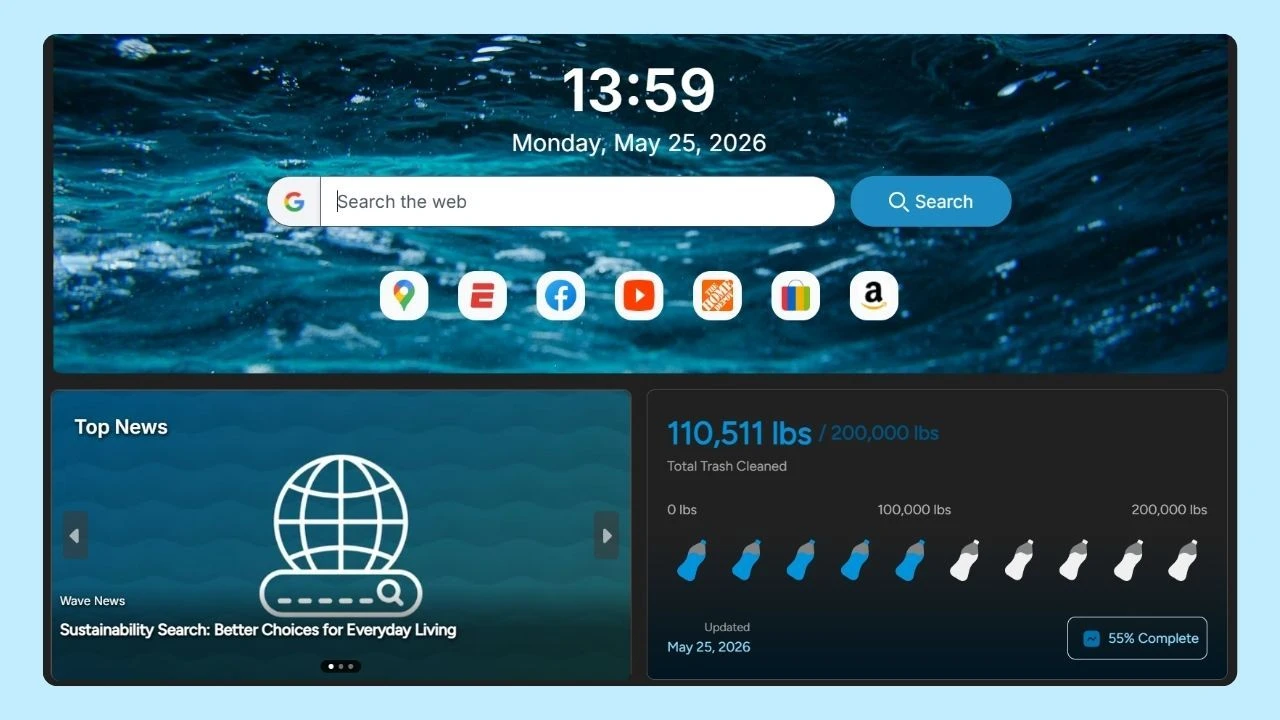
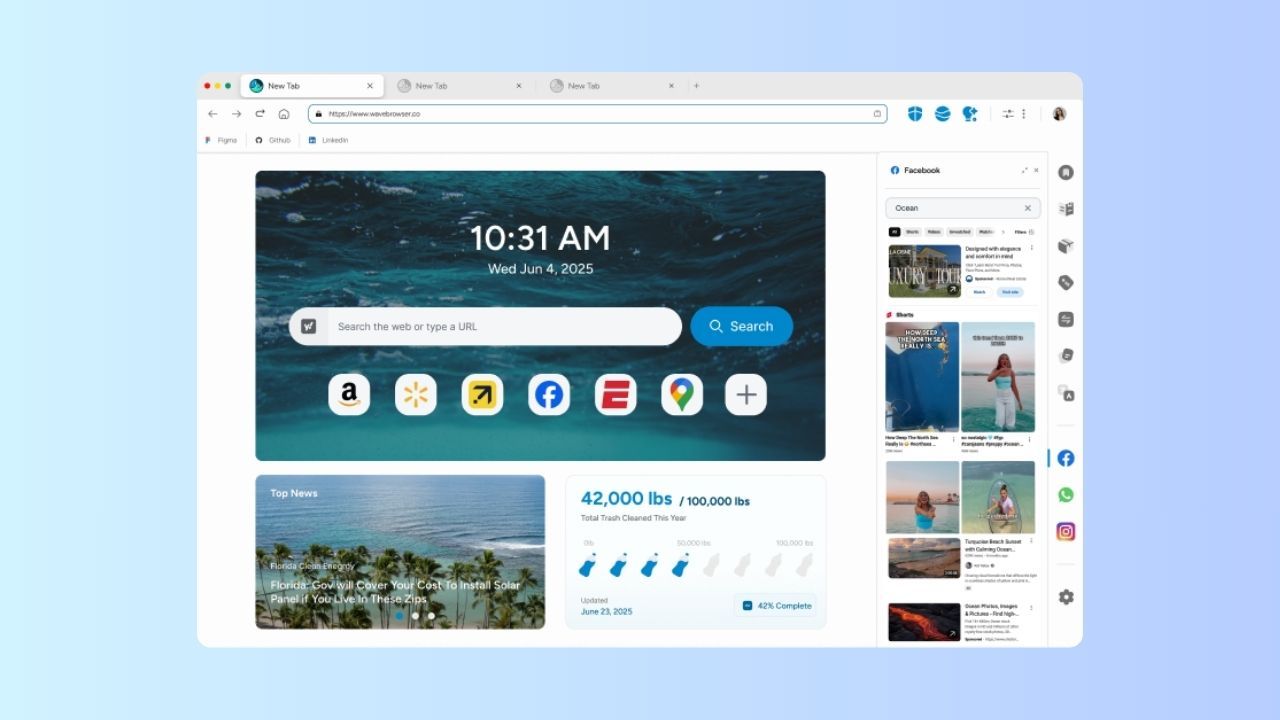
Wave Browser, for example, helps users browse the web with tools designed for safer web browsing, efficient multitasking, and greater control over their online experience.
But how did the World Wide Web begin, and why do we celebrate it every year?
Why Do We Celebrate World Wide Web Day?
World Wide Web Day celebrates the invention of the World Wide Web and its impact on education, communication, science, business, and everyday life. Observed each year on August 1st, the day recognizes the technology that made information easier to publish and access across the globe.
Although many people use the terms "internet" and "World Wide Web" interchangeably, they are not the same thing.
The history of the internet began decades before the web, creating the network infrastructure that connects computers worldwide. The World Wide Web built on that foundation by introducing an easier way to organize and share information using hyperlinks, sites, and browsers.
The celebration also highlights the power of the web to connect communities, support education, encourage innovation, and make knowledge available to the general public.
Common ways people celebrate include:
- Learning about the history of the World Wide Web and its inventor, Tim Berners-Lee.
- Sharing facts and milestones about the web on social media.
- Participating in webinars, workshops, or discussions about technology, digital literacy, and internet accessibility.
- Teaching students about the evolution of the web, from the first browser to today's interactive online experiences.
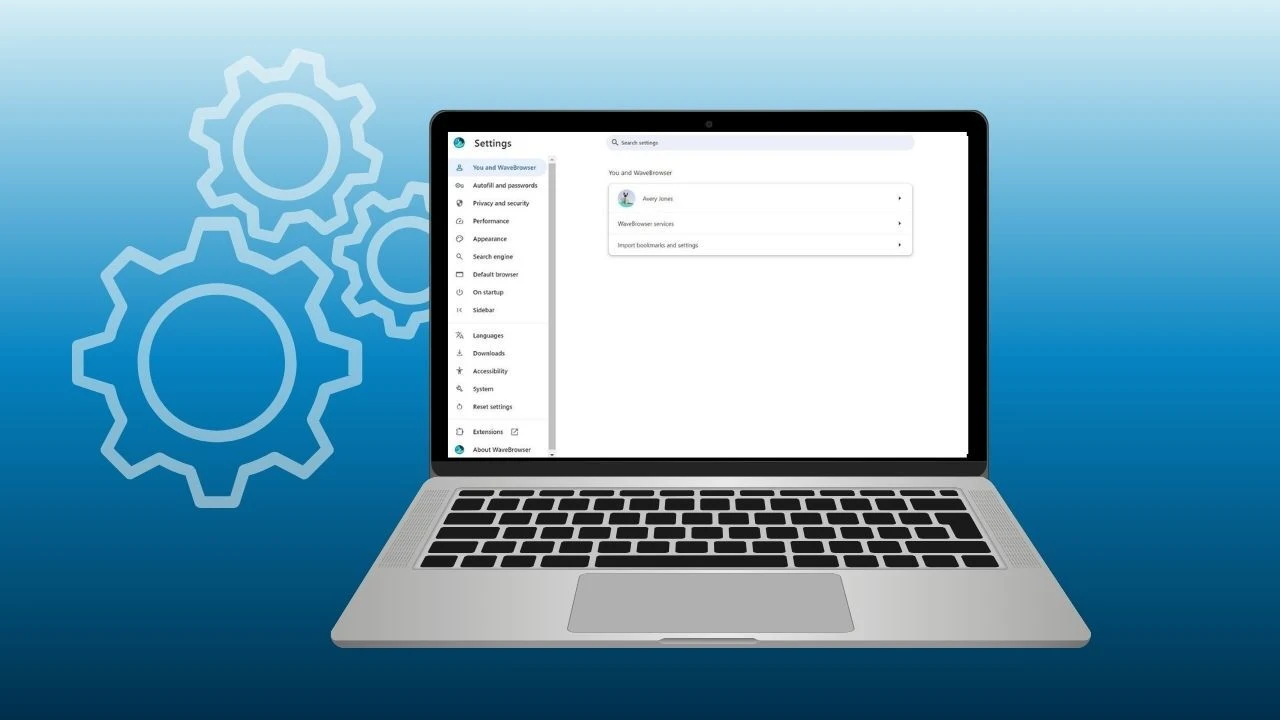
- Reviewing data privacy and security settings to promote safer browsing.
For many people, World Wide Web Day is also a reminder to appreciate the technology that makes it possible to learn, work, communicate, and access information from virtually anywhere in the world.
The Growth of the Modern Web
Over the next decade, internet access expanded rapidly as internet service providers introduced faster connections and broadband access became more widely available. At the same time, websites evolved from simple text pages into interactive platforms supporting:
- Search engines
- Online shopping
- Web services
- Streaming platforms
- Digital media
- Social networking websites
- Cloud applications
Companies such as Yahoo! Search helped people discover information more efficiently, while advances in data compression allowed websites to load faster despite growing in size and complexity.
Today, billions of internet users rely on web browsers every day for work, education, communication, and entertainment.
Why Was the World Wide Web Created?

The World Wide Web Project began in 1989 when British computer scientist Tim Berners-Lee developed the first proposal while working at CERN, the European laboratory for particle physics.
Researchers at CERN needed a better way to share documents stored on different computers. Berners-Lee envisioned a web of information connected through hyperlinks that anyone could access regardless of the computer they were using.
The name of the project eventually became the World Wide Web.
Over the following years, Tim Berners-Lee transformed his original idea into a working system by developing several technologies that remain essential to the web today. Instead of creating just a single application, he introduced a complete framework that allowed people to publish, access, and navigate information across connected computers.
This system included:
- HyperText Markup Language (HTML) to structure web pages.
- HyperText Transfer Protocol (HTTP), the communication standard that allows browsers and servers to exchange information.
- The first browser, which allowed users to view and edit web pages.
- The first web server, which stored and delivered websites to users.
- Early server software, making it possible for organizations to host their own content online.
Together, these innovations laid the foundation for the modern web. Although today's sites are far more interactive and complex, they still rely on the same core technologies introduced by Berners-Lee more than three decades ago.
The First Website in History
The first website went online in 1991. Hosted on CERN's HTTP server, it explained how the World Wide Web worked and how others could create their own sites and servers.
Although simple by today's standards, the site demonstrated that information could be published and accessed through hyperlinks using a browser instead of relying on File Transfer Protocol (FTP) alone.
The original site is preserved through projects like the Internet Archive and the Wayback Machine, allowing people to explore an important milestone in the history of the web.
The First Web Browser
Tim Berners-Lee also created the first browser, originally called WorldWideWeb before being renamed Nexus. Running on the NeXT Computer, it allowed users to browse documents and edit web pages using the same application.
Unlike today's browsers, it served as both a browser and an editor, demonstrating the collaborative vision behind the early web. During the following years, additional options helped expand the web's popularity.
Building Standards for the Web

As websites became more complex, consistent standards became increasingly important.
In 1994, Tim Berners-Lee founded the World Wide Web Consortium (W3C) at the Massachusetts Institute of Technology. The organization works with companies, researchers, governments, and academic institutions to develop standards that ensure websites remain compatible across different browsers and devices.
Among its responsibilities is helping guide the development and control of the HTML specification, along with many other technologies that improve accessibility, security, and interoperability.
Without these standards, the browsing experience would vary dramatically between browsers.
How the Web Changed Everyday Life

The World Wide Web has transformed how people access information, communicate, work, and interact with the world around them. What began as a way for researchers to share documents has evolved into a global platform that supports billions of users every day.
Today, the web powers a wide range of activities, including:
- Remote work
- Online education
- Video conferencing
- Digital banking
- E-commerce
- Government services
- Healthcare platforms
- Entertainment
- Scientific collaboration
Beyond these everyday uses, the web has also changed how businesses operate, how communities connect, and how ideas spread across the globe. The rise of social media, cloud computing, and online collaboration has made it possible to communicate instantly and access information from almost anywhere.
Are There Any Online or Offline Events Dedicated to World Wide Web Day?
While World Wide Web Day is not associated with large official celebrations, many organizations mark the occasion through educational and technology-focused events. Universities, schools, technology companies, libraries, and nonprofit organizations often organize activities that highlight the history of the web, digital innovation, and internet accessibility.
Online events may include webinars, panel discussions, virtual workshops, blog posts, and social media campaigns covering topics such as web development, digital literacy, online privacy, and cybersecurity. Some organizations also share historical milestones, interactive timelines, or demonstrations of the first website and other early technologies.
Offline celebrations are typically smaller and may include classroom activities, technology meetups, museum exhibits, coding workshops, and community events that encourage people to learn more about how the World Wide Web has shaped communication, education, business, and everyday life.
Celebrating the World Wide Web
More than three decades after the first website went online, the World Wide Web remains one of the most influential inventions in modern history. From scientific collaboration to online learning, business, entertainment, and communication, its impact continues to grow with every new generation of technology.
The World Wide Web continues to change as new technologies reshape how people access information. Artificial intelligence, cloud computing, faster networks, and smarter applications are making online experiences more interactive and personalized than ever before.
Understanding how websites work, protecting personal information, recognizing reliable sources, and using secure browsing practices help people make the most of everything the web has to offer.
World Wide Web Day is an opportunity to appreciate not only how far the web has come, but also how the tools we use continue to improve. Whether you're researching a topic, collaborating with colleagues, connecting through social media, or exploring new ideas, a reliable browser makes that experience smoother and safer.
Wave Browser supports that journey by combining productivity, privacy, and security features that help users browse the web with greater confidence.