Environmental change rarely happens all at once. Most meaningful progress comes from consistent action repeated over time, especially when it comes to protecting our ocean and coastal environments.
According to the report, cleanup crews working through Wave Browser’s Certified Cleanup Partnership with 4ocean removed 8,344 pounds of trash and plastic during May 2026 alone.
The cleanup efforts took place across Indonesia and Guatemala, regions where marine debris continues affecting local ecosystems and coastal communities.
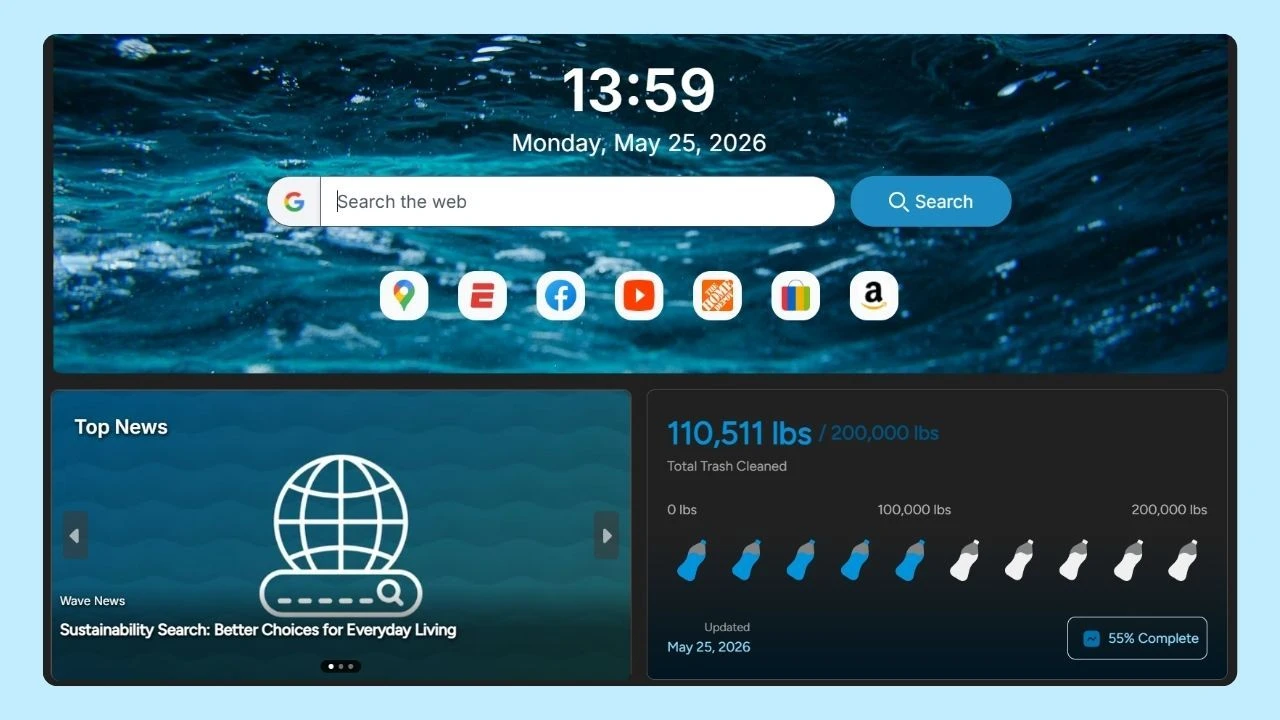
The latest figures also pushed the partnership beyond a major milestone, with more than 100,000 pounds of ocean trash and plastic removed from our ocean, rivers, and coastlines since the initiative began.
Inside the May Cleanup Operations
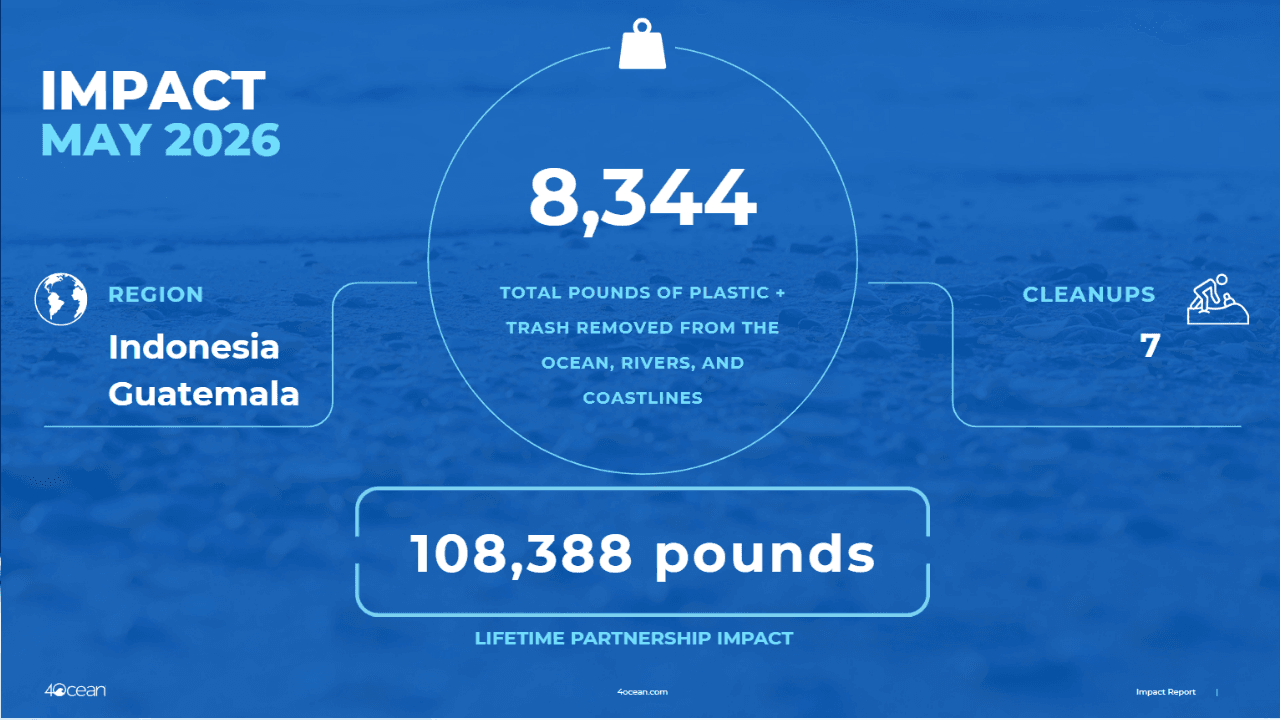
Seven cleanup operations were completed throughout May across Indonesia and Guatemala, helping remove thousands of pounds of trash and plastic from coastlines and waterways.
Beyond the total volume removed, collected materials were sorted by material type before recyclable plastics moved through washing and processing systems designed for reuse.
That level of operational transparency matters as conversations around sustainability in business continue evolving. Consumers are paying closer attention to measurable outcomes, verified partnerships, and visible reporting rather than broad environmental messaging alone.
Showing where cleanup efforts are happening, how materials are handled, and the total volume removed helps ocean projects feel more tangible, measurable, and connected to real environmental work happening on the ground.
Why Beach Cleanup Efforts Continue to Matter
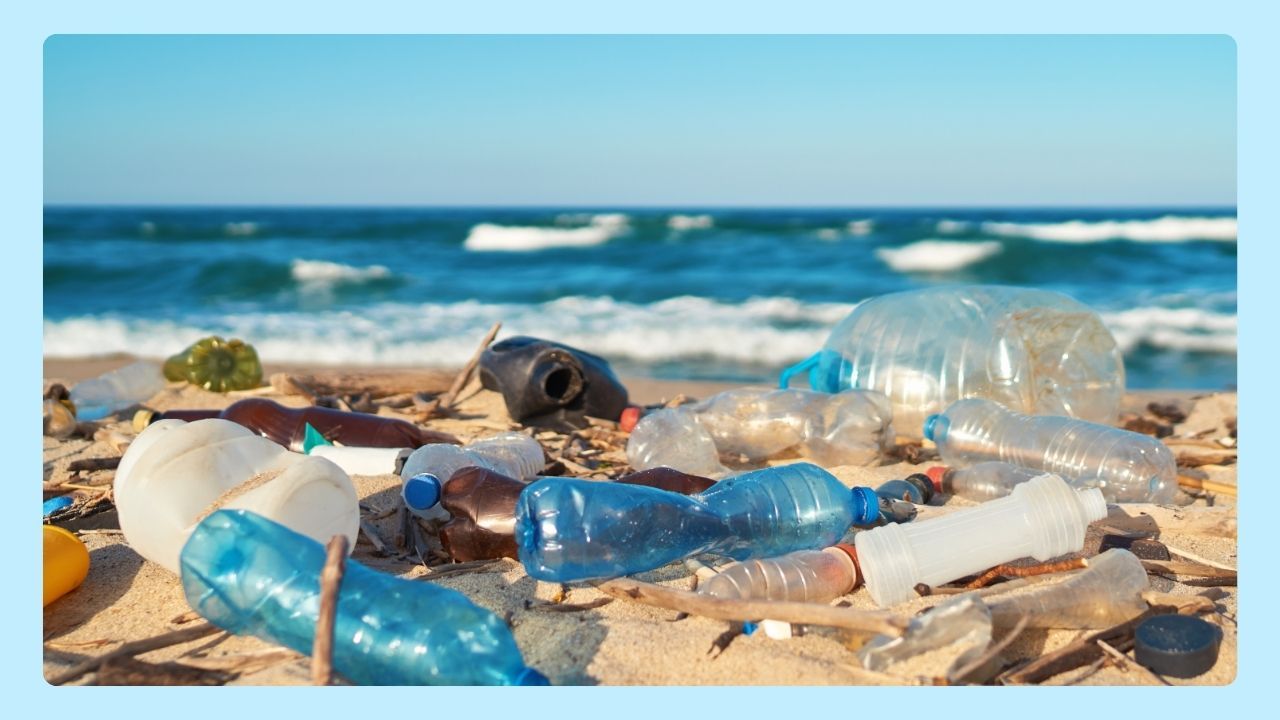
Beach cleanup initiatives remain one of the most direct ways to protect marine ecosystems from long-term pollution.
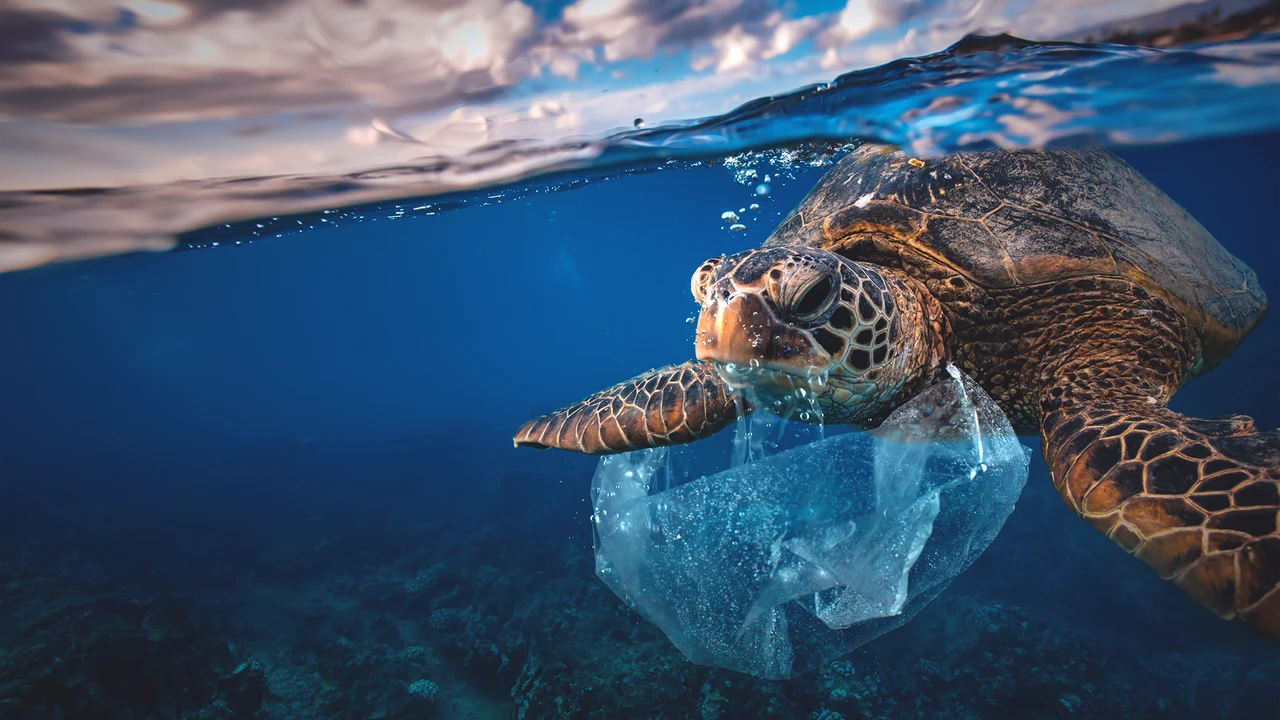
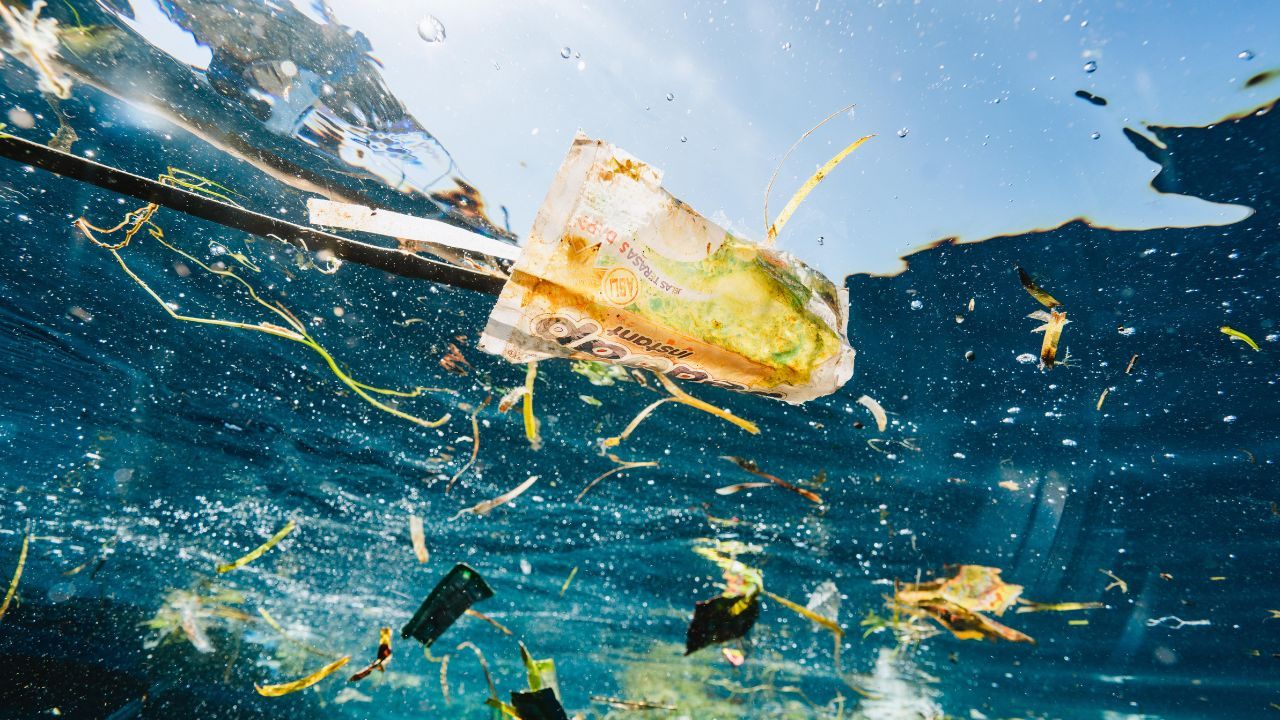
Plastic waste collected from rivers, coastlines, and waterways can affect wildlife habitats, water quality, and local communities that depend on healthy coastal environments.
Cleanup operations help remove existing debris while also bringing greater visibility to larger environmental challenges connected to waste and consumption.
Organizations like 4ocean support these operations by funding cleanup crews, transportation, equipment, and materials recovery systems needed to sustain long-term environmental work.
For many people, seeing real cleanup numbers creates a stronger connection to environmental action than marketing campaigns or broad sustainability messaging alone.
A Different Approach to Sustainability-Focused Technology
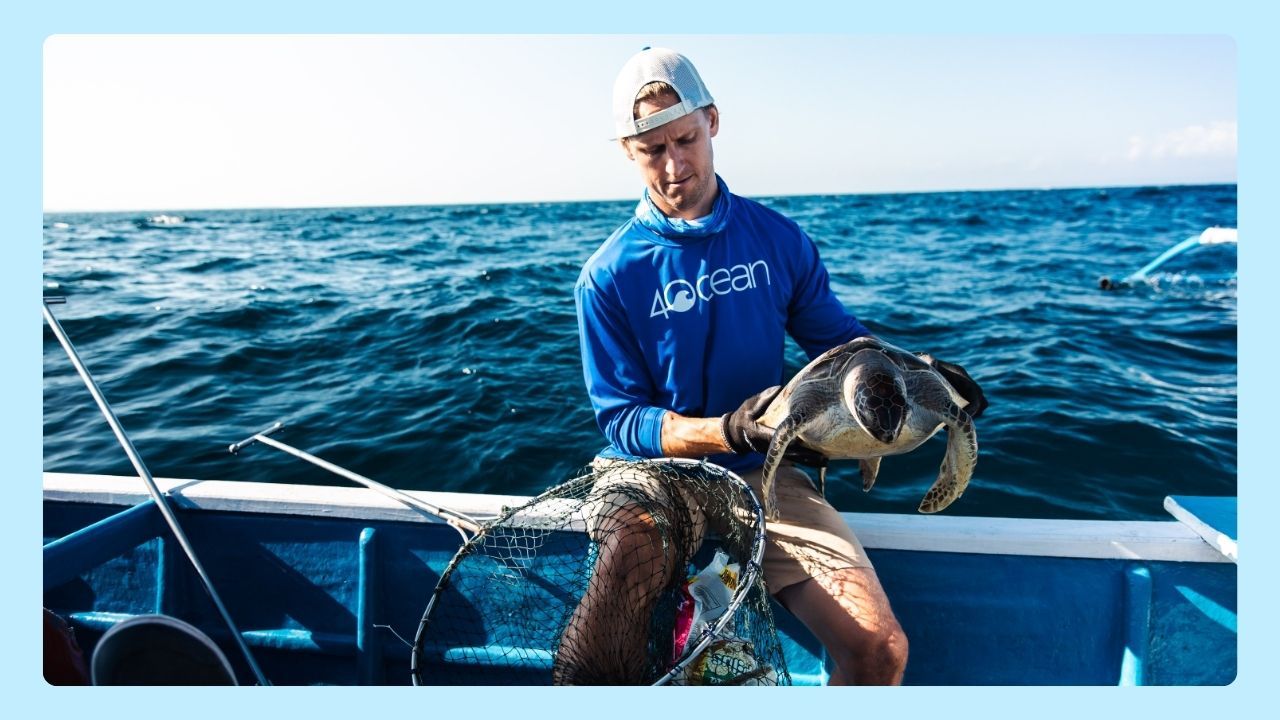
Wave Browser’s partnership with 4ocean reflects a broader shift happening across consumer technology, where companies are exploring ways to connect everyday products with real-world initiatives.
Rather than treating sustainability as a temporary campaign, Wave integrates environmental reporting directly into its broader mission and browsing experience.
That distinction helps keep the focus on measurable impact, operational transparency, and long-term environmental commitment rather than exaggerated claims.
Small Actions, Visible Impact
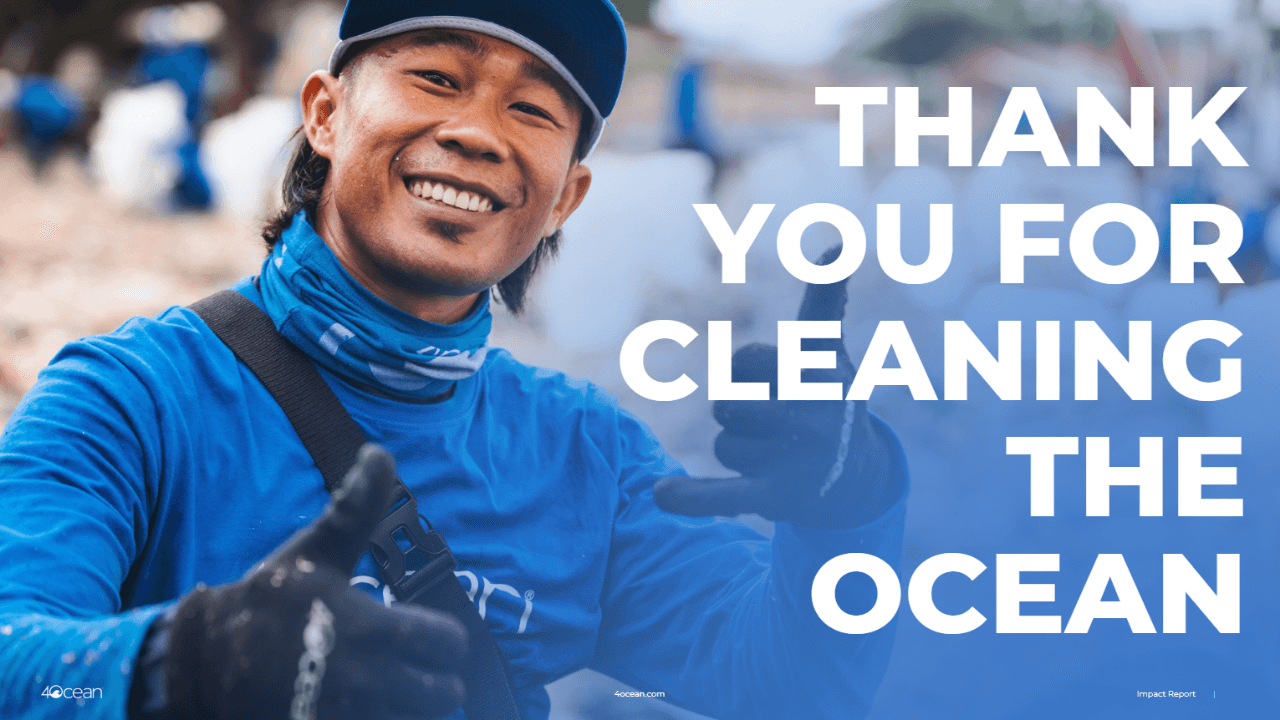
While 8,344 pounds removed in a single month represents only one part of a much larger environmental challenge, consistent cleanup efforts continue making a measurable difference over time.
As more people look for brands that value transparency and accountability, reports like this help shift the conversation away from vague promises and toward visible action that people can follow and understand.
For Wave Browser, the goal is simple: support verified cleanup efforts, stay transparent about the results, and continue building technology that reflects a more intentional approach to the web.