A blank document can make even a strong idea feel difficult to begin. An AI essay writer may help students explore an essay topic, organize early notes, or identify gaps in an outline, but it should not replace the thinking that makes academic work meaningful.
Essays are used in schools because the process develops reasoning, communication, evidence evaluation, and an individual point of view, not simply because a finished page is required.
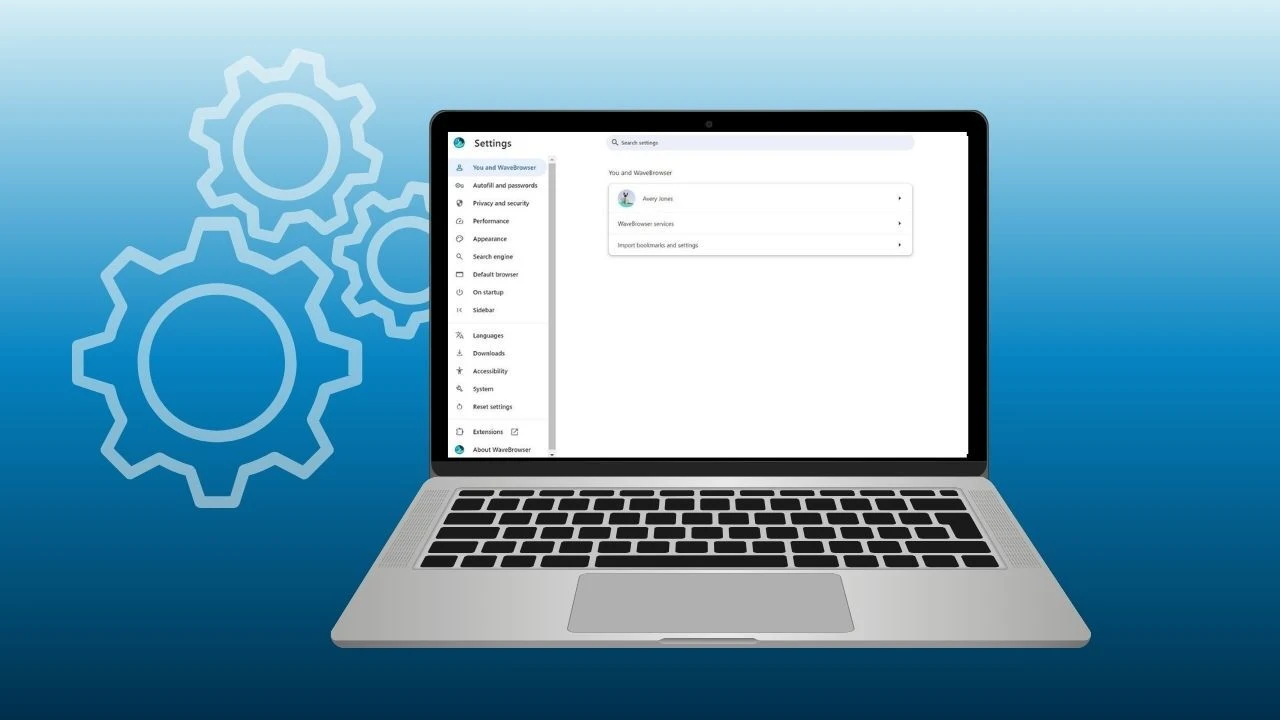
Wave AI Assistant brings research and writing support into the browser sidebar on supported Windows and Mac desktop versions. Students can use it to brainstorm questions, summarize difficult material, compare possible structures, or review the clarity of their own drafts while keeping research pages nearby without requiring a separate AI extension.
Used responsibly, the assistant can provide a head start without taking ownership of the work.
This guide explains where AI fits within essay writing, which tasks are appropriate for assistance from an AI essay writer, and which choices must remain with the student. The goal is to protect creativity, preserve your own voice, and use technology as a writing tutor rather than a shortcut to a generated essay.
What is an AI Essay Writer?

An AI essay writer uses large language models to suggest topics, create outlines, explain concepts, and review passages. It should support the writing process, not produce complete essays for students to submit.
Students can use it to develop research questions, review argument structure, and identify unclear writing. However, AI may generate inaccurate claims or invented references, so all facts and citations must be verified using reliable sources.
Why Creativity Matters and Academic Integrity Comes First
Academic writing develops critical thinking, judgment, and communication. Students choose the question, evaluate evidence, build original connections, and explain their conclusions. An AI essay writer can help overcome writer’s block, but fluent text does not guarantee strong reasoning or accurate evidence. The ideas and interpretation should remain the student’s own.
Never submit a generated essay as original work or use an AI humanizer to hide AI-written content! Some features offered by an AI homework helper may seem convenient but can create academic risks.
Be careful when a tool offers to:
- Generate an entire paper: An AI essay writer may produce a full text, but the result may not meet the assignment requirements. Submitting it could also violate school policies and hide the student’s learning process.
- Create citations: A citation generator can format verified source details, but it cannot confirm that a source exists or supports the argument. Check every author, title, date, quotation, page number, and link against the original source.
- Check for plagiarism: A plagiarism checker can identify similarities, but its score does not prove originality or proper attribution. Do not use an AI humanizer to conceal copied or generated content. Write from your own understanding and cite sources correctly.
- Provide research information: An AI chatbot may invent facts, quotations, or references. Verify every claim using original studies, official documents, reputable books, or peer-reviewed academic papers. Social media can provide context but is rarely sufficient evidence on its own.
Good Uses of AI During the Writing Process
Artificial intelligence works best when it supports specific tasks that students can review and complete themselves.
Topic and Research Planning
Use AI to narrow a broad topic, generate research questions, suggest search terms, and identify missing viewpoints.
For example: “Suggest five research questions about plastic bags, consumer behavior, and waste reduction. Explain what evidence each question requires.”
The right approach depends on the essay type. Descriptive essays need a focused subject, argumentative essays require a debatable claim, and literature reviews compare a defined collection of research.
AI can reduce research time, but it is not a source. Verify all authors, dates, quotations, URLs, and direct citations using the original publications.
Outlining and Overcoming Writer’s Block
Ask AI to review your thesis and argument structure without writing the paper for you.
For example: “Does this outline connect each point to the thesis? Identify any missing steps without rewriting it.”
If you have writer’s block, ask the tool to interview you about the topic or suggest organizational approaches. Use the responses as a starting point, then create the outline and draft yourself.
Grammar and Style Review
Use a grammar checker to identify possible errors, repetition, vague wording, or unclear sentences.
For example: “Mark grammar and punctuation issues in this paragraph and explain each one without rewriting my sentences.”
Request feedback before revisions, make the changes yourself, and confirm that the final version preserves your own voice and matches the required academic level.
A Responsible Workflow from Topic to Final Draft

The following workflow shows where writing tools can help without taking control of the assignment.
Step 1 - Read the Assignment
Identify the required type of essay, length, source expectations, citation style, deadline, and permitted technology. Highlight verbs such as analyze, compare, evaluate, describe, or argue because they define the intellectual task.
Step 2 - Generate Questions
Use an AI browser assistant to explore possible angles, not to choose your position. Ask for questions, counterarguments, or missing perspectives. Select the direction that genuinely interests you.
Step 3 - Research Independently
Use library databases, assigned readings, official publications, and other credible research sources. Keep notes that separate quotations, paraphrases, and your reactions. Record citation details immediately so they are not lost.
Step 4 - Build Your Own Outline and Draft
Write the thesis and section purposes in your own words. Test whether every section advances the main claim. For argumentative essays, include the strongest reasonable counterargument and respond with evidence rather than dismissing it.
Then, write the first version from your notes and outline. Do not stop to polish every sentence. The purpose of the first pass is to make the reasoning visible so it can be improved.
Step 5 - Ask for Targeted Feedback, Verify and Revise
Share only material permitted by your school and ask focused questions. Request feedback on clarity, organization, grammar, or gaps in support. Avoid prompts that ask for a replacement paragraph or complete draft.
Check every fact and citation against the source. Revise the argument, then edit paragraphs and sentences. Read the paper aloud to notice repetition and unclear transitions. A polished final draft should still sound like the person who wrote it.
How to Use Wave AI Assistant for School Writing
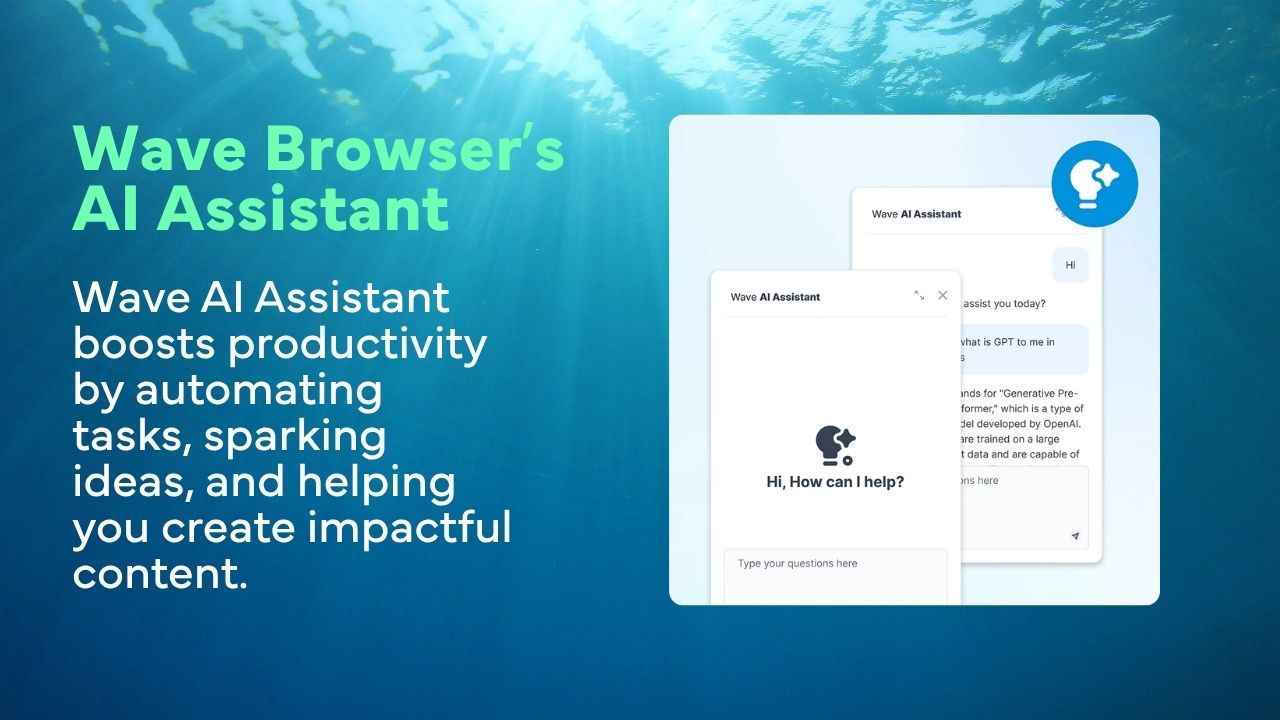
Wave AI Assistant is available from the browser sidebar on supported Windows and Mac versions. Its placement makes it convenient to ask questions while reviewing assignment instructions, web pages, and research material. The strongest prompts give it a limited role and leave the writing to the student.
- For topic development: “Give me six questions I could investigate about this broad subject. Do not write a thesis.”
- For source evaluation: “Create a checklist for assessing the authority, evidence, date, and possible bias of this source.”
- For argument review: “Read my outline and identify one unsupported assumption and one reasonable counterargument.”
- For grammar: “Act as a writing tutor. Identify possible errors in my paragraph and explain the relevant rules without rewriting it.”
- For revision: “Which parts of this introduction are too broad? Ask me questions that will help me make them more specific.”
- For reflection: “Compare my thesis with my conclusion and tell me whether the conclusion answers the same question.”
These prompts show how Wave Browser can support a workflow that uses AI tools for productivity with a built-in AI assistant that helps students handle everyday tasks without needing a separate extension. Always follow course policies and avoid sharing personal, confidential, or restricted material.
The strongest essay is not the one generated most quickly. It is the one that shows genuine understanding, uses evidence responsibly, meets the assignment’s specific requirements, and reflects the writer behind the words.