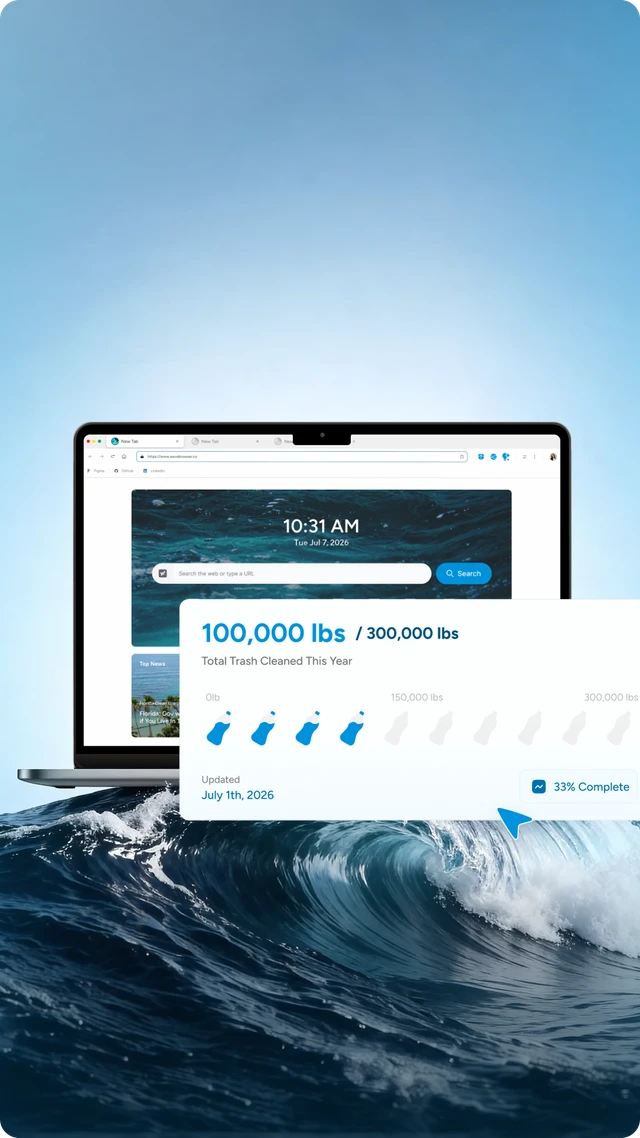
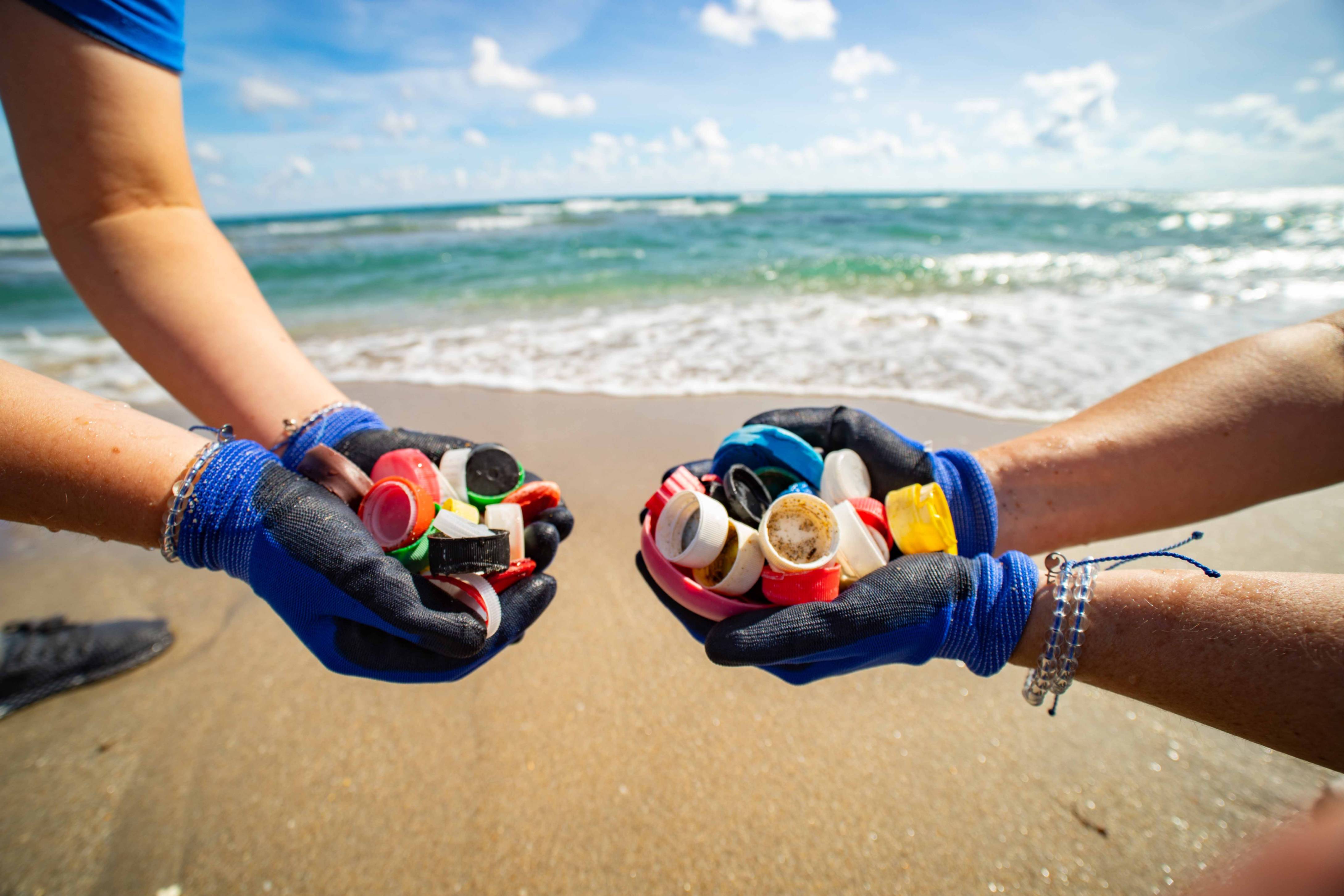
Wave Browser was created with a mission built into its DNA: to help remove plastic and trash from our ocean through the simple act of browsing. The March 2026 Impact Report brings that idea into focus, showing exactly how browsing activity connects to verified ocean cleanup.
Through our Certified Cleanup Partnership with 4ocean, Wave continues to support efforts that remove plastic and trash from our ocean, rivers, and coastlines. This isn’t a future goal or abstract promise. It’s measurable, ongoing work happening every month.
What the Wave Community Achieved in March
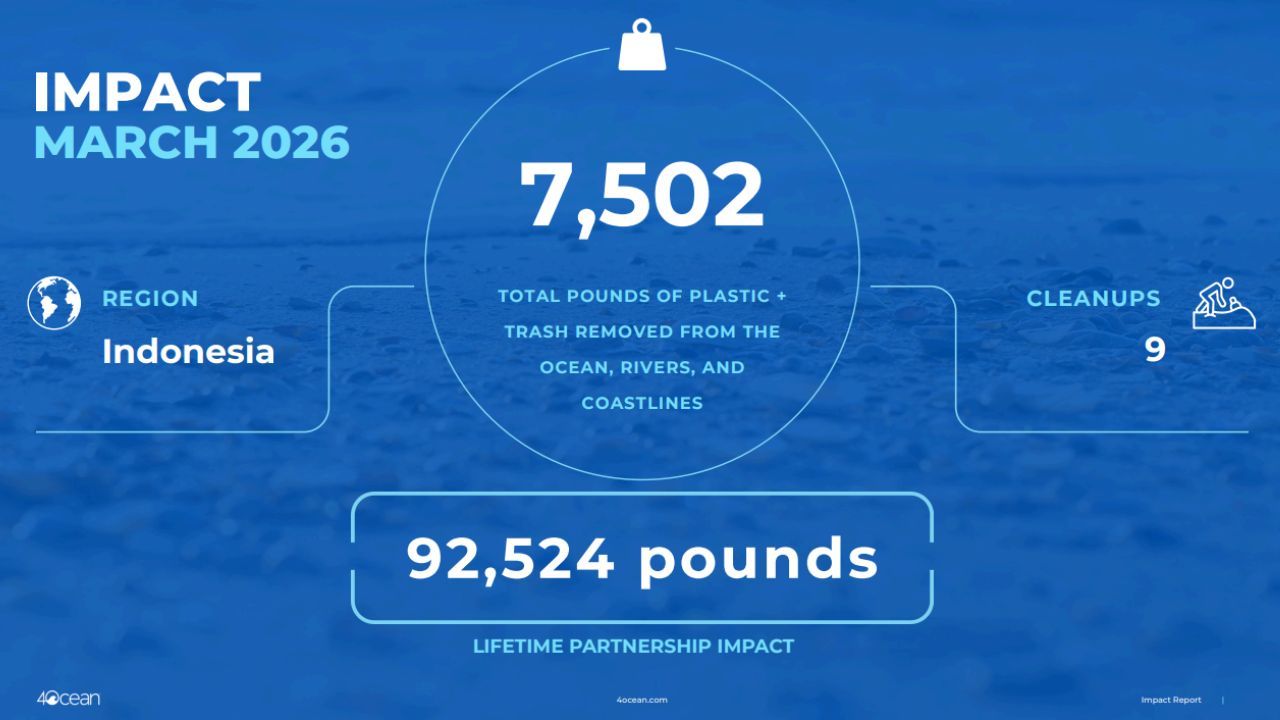
The March 2026 report highlights another step forward in that mission.
Cleanup efforts during the month resulted in 7,502 pounds of plastic and trash removed from the environment. These efforts were concentrated in Indonesia, one of the key regions where cleanup operations are actively taking place. Across the month, 9 cleanups were conducted, contributing to the growing scale of impact.
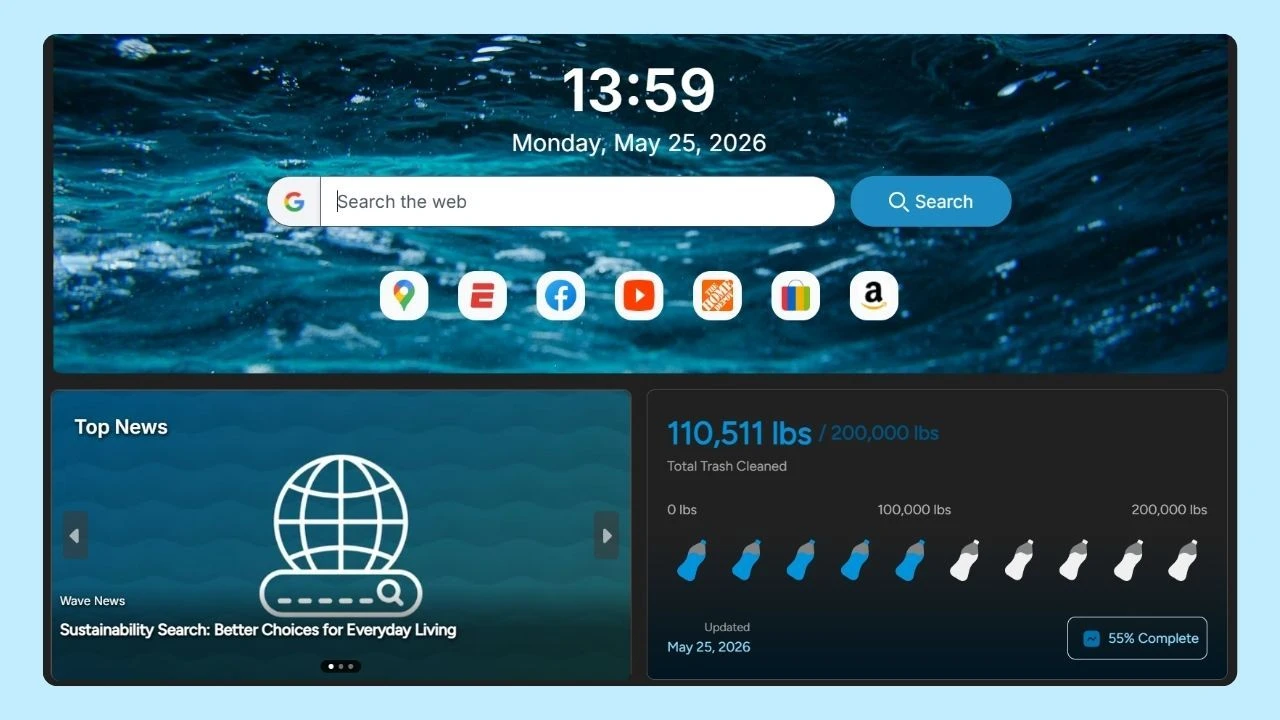
When you zoom out, the long-term progress becomes even more clear. The Wave Browser and 4ocean partnership has now reached a lifetime impact of 92,524 pounds of trash removed.
Each of these numbers represents real material collected, sorted, and processed. Not estimates or offsets.
Where Your Browsing Fits In

Wave’s role in this process is straightforward. Browser activity helps fund the systems and people responsible for cleanup, protecting our ocean.
That includes:
- Supporting cleanup crew wages
- Funding vessels and transportation
- Providing equipment used in sorting and processing
- Enabling ongoing cleanup operations across global locations
The process begins with sorting, where crews organize materials by type, grade, and color. This step ensures that different kinds of plastic and waste are handled appropriately. Once sorted, materials are fed into a shredder, where they are broken down into fine-grained pieces.
From there, the material enters a wash system. A screw conveyor transports the shredded waste into a wash tank, where items are separated based on density—floating versus sinking materials. After this stage, the material is cleaned and prepared for drying, making it suitable for future use in manufacturing new products
This system reflects a broader approach: not just removing waste but giving it a second life.
Why Transparency Matters
One of the defining aspects of the Wave and 4ocean partnership is visibility. Each monthly report provides a clear breakdown of activity, location, and outcomes.
Instead of broad claims, the report shows:
- Exact pounds removed
- Specific regions where cleanup occurred
- Number of cleanups conducted
- How materials are handled after collection
This approach reflects Wave Browser’s commitment to making environmental impact something users can actually see and understand.
The March results build on a steadily increasing trajectory. With a total of 92,524 pounds removed to date, the partnership continues to move toward its long-term goal of removing hundreds of thousands of pounds of plastic and trash from our ocean, rivers, and coastlines.
Progress happens incrementally. Each cleanup contributes to a larger system, and each month adds another layer of measurable impact.
A Simple Idea, Scaling Over Time
Wave doesn’t ask users to rethink how they use the internet. As an eco-friendly browser, it simply connects an existing behavior—browsing—to a system that supports environmental cleanup.
That’s what makes the model scalable.
As more people use Wave:
- More browsing activity supports cleanup funding
- More funding enables more cleanup operations
- More operations lead to more material removed
It’s a system designed to scale as adoption increases.
Looking Ahead
The March 2026 Impact Report reflects both progress and momentum. It shows how consistent, measurable action builds over time and how small, everyday behaviors can contribute to something much larger.
Wave, as an ocean browser, continues to focus on three things:
- Maintaining a reliable, easy-to-use browsing experience
- Supporting verified cleanup efforts through 4ocean
- Providing transparent reporting so users can track real impact
Each month adds another chapter to that story.
And it all starts with something simple: opening a browser.