Learning another tongue becomes far more engaging when it extends beyond a textbook. A headline, recipe, travel guide, forum post, product page, or YouTube video can turn an ordinary browsing session into a practical lesson. The challenge is finding a language learning tool that supports those moments without interrupting your focus.
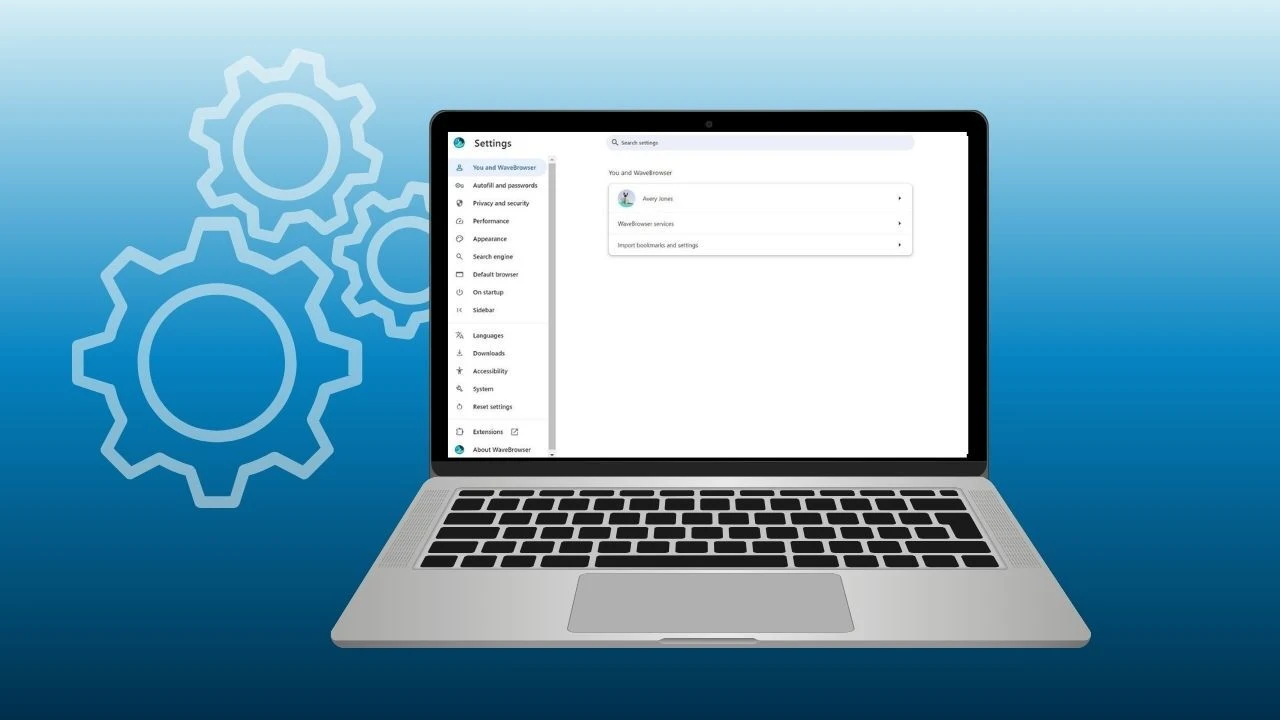
Wave Browser helps bring that approach into the web itself. The built-in Wave Translate tool lets you translate web pages or selected text directly in the browser, with no extra extension required. You can read an unfamiliar passage, compare it with the translated version, collect useful expressions, and return to the original context.
Used intentionally, this browser translator can become a practical support tool for building vocabulary, noticing sentence patterns, and exploring material created for native speakers.
This guide explains what a language learning tool is, what to look for in digital study resources, how different methods support different goals, and how to build a routine that lasts. It also includes a comparison table, realistic activities, and questions that can help you identify the best fit for your schedule, level, and learning style.
What is a Language Learning Tool?
A language learning tool is a digital resource designed to help people develop vocabulary, grammar, pronunciation, listening, reading, writing, or speaking skills in a new language. These tools can include structured courses, interactive lessons, flashcards, translation features, speech-recognition exercises, and conversation practice.
The right tool depends on the learner’s goals and preferred study style.
Beginners may benefit from guided lessons and grammar explanations, while advanced learners might prefer authentic articles, videos, and real-world conversations. Features such as spaced repetition can support vocabulary retention, while pronunciation feedback and role-play exercises provide opportunities to practice using new words in context.
Browser-based resources can also make study more practical by connecting it to everyday online activities.
For example, a built-in translator allows learners to compare original website content with a translated version, examine sentence structure, and understand unfamiliar expressions without leaving the page. This turns regular browsing into an opportunity to strengthen language skills through relevant, real-life content.
What Makes a Digital Study Tool Effective?
A polished interface is useful, but progress depends on what the product encourages you to do. Strong resources combine understandable input, active recall, repeated exposure, and opportunities to produce your own sentences. They should make it easier for language learners to encounter new vocabulary, revisit it at useful intervals, and apply it in realistic contexts.
The best language learning experience is rarely built around one activity.
- Flashcards may strengthen vocabulary retention, while grammar drills reveal patterns.
- Listening exercises train the ear, and conversation practice develops speed and confidence.
- Reading authentic material adds context that scripted examples sometimes miss.
A balanced plan connects these activities instead of treating them as separate goals.
Personalization matters, too.
- Beginners may benefit from a structured course with clear lesson paths
- Advanced learners may prefer authentic articles, interviews, and specialized topics
- Casual learners often need short sessions that fit into a busy day, while serious learners may want detailed progress data, feedback, and access to language teachers
The right choice should match your current objective. Someone preparing for a vacation has different needs from a professional preparing for a presentation or a student aiming for conversational fluency. Begin with the outcome, then choose the features that support it.
A Seven-Day Plan for Daily Practice
A simple weekly rhythm while using a language learning tool can combine input, review, and output without becoming overwhelming.
Each session can take 10 to 20 minutes:
- Day 1 — Read: Choose a short article and infer its topic from headings and visuals. Translate one key section and record five useful expressions.
- Day 2 — Review: Recall yesterday’s expressions without looking. Write a sentence for each and check whether the context still makes sense.
- Day 3 — Listen: Find a short recording on the same subject. Note familiar terms, then summarize the main idea aloud.
- Day 4 — Notice grammar: Select two sentences and identify the verb, subject, connectors, and word order. Write a similar example with different details.
- Day 5 — Speak: Use the week’s material in a two-minute role play. Record yourself or speak with a partner. Focus on communicating, not perfection.
- Day 6 — Explore: Open another webpage on the topic and read it with less assistance. Translate only the sections that block comprehension.
- Day 7 — Reflect: Write a short summary of what became easier, what remains difficult, and what you want to practice next week. This reflection turns activity into direction.
Common Mistakes That Slow Progress
- Translating everything immediately: If you reveal the answer before attempting to understand the text, you lose a valuable retrieval opportunity. Read first and request help only where it is needed.
- Collecting too much vocabulary: Saving dozens of items can feel productive, but retention requires review and usage. Select fewer expressions and apply them in your own sentences.
- Practicing recognition without production: Multiple-choice exercises may show familiarity, yet speaking and writing require recall. Include short outputs in every week.
- Treating automated scores as complete evaluation: Technology may recognize a phrase and respond with “good job,” but that does not measure every aspect of clarity, naturalness, or appropriateness.
- Ignoring personal motivation: The best choice for someone else may not suit your interests or schedule. Choose material you genuinely want to understand and activities you can repeat.
Key Features to Consider in a Language Learning Tool
Before choosing a language learning tool, decide which features will genuinely support your studies. Having more features does not automatically lead to better results.
Look for a clear connection between each function and the skill you want to improve.
Clear lessons and useful progression
Good language lessons introduce one manageable concept at a time, demonstrate it in context, and provide a reason to revisit it. A structured course can be a helpful starting point because it reduces uncertainty about what to study next. Daily lessons should build on earlier material rather than presenting disconnected lists of new words.
Progression also needs flexibility. Learners should be able to move at their own pace, review difficult material, and skip topics they have already mastered. Fixed lesson paths may help beginners stay organized, but more experienced users often need control over subject matter and difficulty.
Review that strengthens memory
A spaced repetition system schedules review before information is likely to fade. This approach can improve vocabulary retention by bringing terms back at gradually increasing intervals. The review should include meaning, sound, spelling, and usage—not only recognition of a translation.
For example, after saving the term for a train platform, write a sentence using it, listen for it in a travel clip, and identify it on a transport website. Repeated contact in varied settings gives the term more connections in memory.
Speaking and listening support
Speech recognition can compare recorded responses with expected sounds, while voice recognition technology may identify words or phrases spoken into a device. These systems can be convenient for private daily practice, but they should not be confused with feedback from a trained person. A high score may show that the software recognized the words; it does not necessarily confirm natural rhythm or nuance.
Pronunciation feedback is most useful when it identifies a specific sound, stress pattern, or pacing issue. Pair automated exercises with recordings from native speakers and, when possible, a video call with a tutor or conversation partner. Real conversations require listening, reacting, clarifying, and adapting in real time—skills that isolated repetition cannot fully reproduce.
Context, explanations, and adaptation
Helpful grammar explanations show why a construction works and how it changes meaning. They should connect form with a real situation instead of presenting rules as facts to memorize. Visual learners may benefit from diagrams, color coding, captions, and side-by-side examples, while audio-focused students may prefer dialogue and repetition.
AI features can also adapt an explanation or generate examples.
Using an AI chatbot may help you request a simpler definition, compare formal and informal phrasing, or create a role play for a particular scenario. Treat generated material as practice support rather than unquestionable authority, especially when regional usage or cultural context matters.
Which Language Learning Tool Format Fits Your Goal?
No format covers every need. This comparison table shows how common options can complement one another.
| Format | Best for | Main benefit | Limitation |
| Guided course | Beginners who want direction | Clear sequence and milestones | May feel rigid for experienced users |
| Flashcard review | Remembering terms | Efficient recall and repetition | Needs context and original examples |
| Speaking practice | Building confidence | Active production and quick response | Automated scores are incomplete |
| Tutor or exchange | Interactive communication | Personal correction and spontaneous dialogue | Scheduling and cost may vary |
How to Use Wave Translate as Part of Your Routine

Studying becomes more memorable when the material already interests you. Wave Browser can help turn ordinary web content into short, focused exercises through its built-in Translate tool while preserving the original context.
The feature can translate a complete page or selected text, so you can choose the amount of assistance you need.
Read first, translate second
Open an article in your target language and begin with the headline, image captions, and first paragraph. Guess the topic before translating anything. Highlight one difficult section and use Wave Translate to check your understanding. Then return to the original and identify which clues you missed.
For example, if you are reading a sports report, note the verbs used to describe winning, losing, and scoring. If you are exploring a recipe, collect action words for chopping, mixing, and baking. The surrounding page provides meaning that an isolated list cannot.
Build vocabulary from topics you care about
Choose a subject you would read about anyway: music, gaming, travel, design, finance, fitness, or technology. Translate only the phrases that prevent understanding. Save a small number of useful expressions and write a fresh example for each one.
Imagine that you find a travel page describing a local festival. Rather than saving every unknown term, choose five expressions that would help you discuss dates, locations, food, or transportation. Review them the next day, then use them to write a short plan for attending the event.
Compare structure instead of replacing the original
A translation is most educational when you compare it with the source. Notice word order, omitted subjects, articles, prepositions, and verb placement. Ask which choices are required by grammar and which reflect style. This develops awareness of sentence structure rather than dependence on automatic output.
Try selecting a short paragraph, predicting how it will be expressed, and then checking the result. Rewrite the idea without looking at either version. Finally, compare all three and mark the differences that changed meaning.
Turn browsing into a daily habit
Consistency matters more than occasional marathon sessions. Attach a ten-minute activity to something you already do: morning news, a lunch break, or evening browsing. One day, translate a headline. The next, summarize a paragraph. Later in the week, read the same topic from another source.
A streak system can be motivating, but the number is not the goal. A useful routine leaves evidence of effort: a short summary, a recorded sentence, a few reviewed expressions, or a conversation in which you used something recently learned.
Practical Activities Using a Language Learning Tool
The same webpage can support learners at different levels when the task is adapted to their abilities. The activities below require little preparation and can be adjusted to fit the time available.
For beginners
Choose a short page with images and familiar subject matter. Scan for recognizable names, numbers, and repeated terms. Translate one section, then match phrases with the visual clues around them. Write three basic sentences using the most useful items.
Another option is to compare a weather page in the foreign language with a forecast you already understand. Look for days, temperatures, and common conditions. The predictable context helps you make connections without translating every line.
For intermediate students
Read a short opinion piece and identify the writer’s main claim before checking selected passages. Create a two-column note with the original expression on one side and your interpretation on the other. After translating, correct only the parts that changed the central meaning.
You can also watch a short clip with captions, pause after each section, and write what you understood. Check a related transcript or article, then retell the content aloud. This combines listening, reading, and production.
For experienced students
Advanced learners can compare tone, implication, and register. Select a paragraph from an editorial or specialist publication and produce two versions: one formal and one conversational. Use the translation as a reference, then explain why certain terms cannot be carried over literally.
For professional development, read material from your field and build a terminology list. Confirm each term across several reputable sources and record a full example sentence. This is more valuable than collecting a large list without context.
How AI Can Support Study Without Taking Over
The best AI assistance gives you another way to think, not an excuse to stop thinking. It can generate examples, simulate a scenario, explain a rule in simpler terms, or suggest questions for a discussion. It becomes a powerful tool when prompts ask for reasoning and comparison.
For instance, ask:
- “Explain the difference between these two expressions and give one real-life example of each.”
- “Create a restaurant role play using these five terms, but do not show my responses.”
- “Review my paragraph, identify recurring errors, and explain one pattern I should practice.”
Avoid asking only for a finished answer. First attempt the task yourself, then use an AI browser assistant or AI extension to check your work, expand your ideas, or challenge your response. If an explanation seems uncertain, verify it using trusted references or consult a qualified teacher.
How to Choose the Right Language Learning Tool

A search for the best language learning tool may promise a universal answer, but useful selection starts with personal constraints. Define the skill, time, budget, and type of feedback you need.
Ask whether the product offers enough guidance for your current level.
- Does it support speaking, listening, reading, or writing in the way you need?
- Can you use it regularly?
- Does it explain mistakes?
- Does it expose you to authentic usage?
- Can you export or revisit material?
- Are privacy practices appropriate for recordings and personal data?
Try one resource for a short, defined period and measure behavior rather than excitement.
- Did you complete the planned sessions?
- Can you recall material after several days?
- Did you use it in real situations?
The best results come from a routine you can maintain, and those answers reveal more than download counts or feature lists.
For many people, the best fit is a small toolkit: one organized path, one source of authentic content, one review method, and one opportunity to communicate. Each component has a clear job.
Apps, Plans, and Pricing: What Should You Pay For?
Many language learning tools offer a free version or a free trial. Use these options to test the lessons and see whether they fit your routine. Before subscribing, check the limits, offline access, speaking activities, feedback, course depth, and cancellation terms.
A paid version may provide advanced exercises, analytics, or tutoring. Pay only for features that directly support your goals.
Check the official app store and product documentation for current pricing and plan details. Mobile apps work well for quick reviews, while browser-based tools are better suited to reading, research, and side-by-side comparisons. Using both may provide a more complete learning experience.
Make the Web Part of Your Practice
Progress grows when study connects with curiosity. Courses and exercises can introduce patterns, but articles, videos, communities, and everyday websites show how those patterns work in real life. A well-chosen language learning tool should help you move between guided practice and meaningful content without making the process feel like another obligation.
Wave Translate makes that transition easier by placing translation inside the browsing experience.
Use it to translate web pages or selected passages, compare the original with the result, investigate unfamiliar expressions, and keep reading without adding another extension. It works best when you pause to predict, notice, record, and reuse what you discover.
Start small: choose one topic, one webpage, and one ten-minute activity today. Repeat it tomorrow with slightly less assistance. Over time, those focused encounters can strengthen your language skills and make the wider web feel much more accessible.