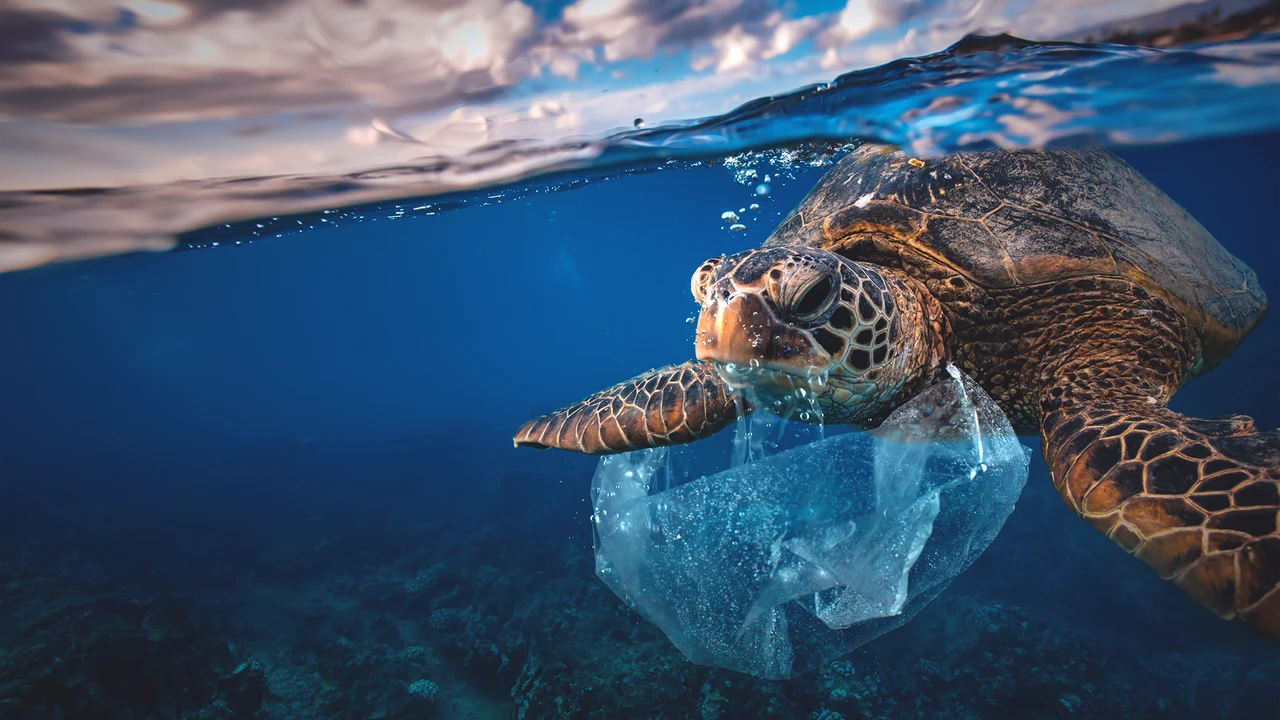
Waste rarely stays where it is discarded. It can move from streets into rivers, travel toward coastlines, and eventually threaten marine environments.
Every year, World Cleanup Day transforms concern about these growing environmental challenges into a worldwide period of action. People come together in neighborhoods, parks, rivers, and coastal areas to remove litter while drawing attention to the waste systems that allow pollution to reach the environment.
For Wave Browser, that mission feels close to home.
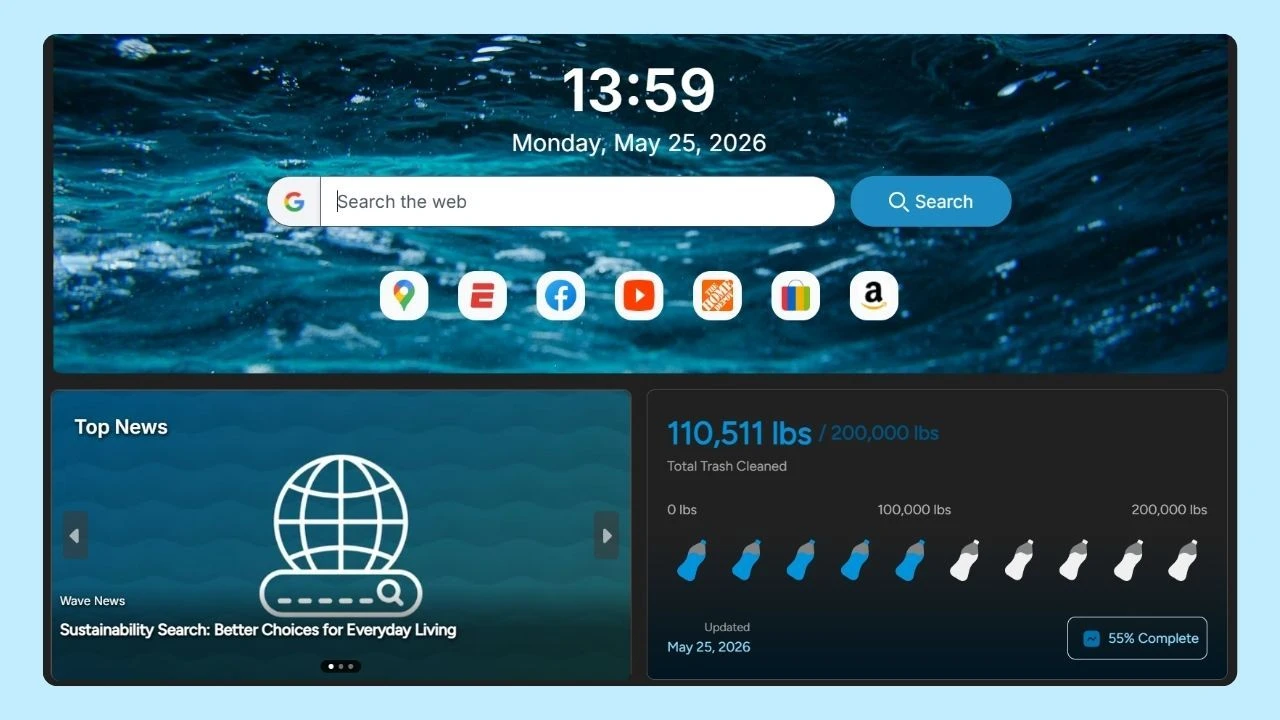
Wave is an eco-friendly web browser that turns everyday browsing into verified environmental impact by helping fund 4ocean’s removal of plastic and trash from our ocean, rivers, and coastlines worldwide.
World Cleanup Day reinforces a simple but powerful idea: individual efforts can create a positive impact when people, communities, and organizations work together.
What is the Goal of World Cleanup Day?
The goal of World Cleanup Day goes beyond collecting tons of waste in a single day. It brings people together to address the global solid waste problem, promote responsible consumption, and push for stronger waste systems.
Litter often reveals where those systems are failing. When collection, recycling, and disposal services cannot keep up, bags, packaging, and plastic bottles can reach streets, rivers, and coastlines. Better waste management helps stop that pollution at its source.
Waste is also connected to the climate crisis and sustainable development. Producing and disposing of goods uses energy and generates emissions, while landfills can release methane. Like Earth Day, International Plastic Bag Free Day, and World Nature Conservation Day, it reminds us that awareness of environmental issues must lead to lasting action.
World Cleanup Day History
World Cleanup Day began with a national clean-up campaign in Estonia on May 3, 2008, when more than 50,000 people cleaned the country in five hours. In modern history, it became a powerful example of large-scale collective action. The initiative expanded through Let’s Do It World, a global social action program connecting volunteers and organizations.
Key milestones include:
- 2018: The inaugural World Cleanup Day mobilized more than 18 million people across 157 countries and territories, transforming the national initiative into a global movement supported by governments, communities, and organizations.
- 2020: The first Digital Cleanup Day raised awareness of digital ecological footprints, including the energy and infrastructure used to store unused files, duplicate data, and inactive accounts.
- 2023: The United Nations designated September 20 as World Cleanup Day, with the annual observance beginning in 2024.
- 2025: The event brought together 25 million people across 190 countries and territories, building on the successes of previous global efforts and demonstrating the power of global coordination and local action.
If you want to find more information about World Cleanup Day in your country, visit the official website or check with local environmental organizations, government agencies, and community groups, as they often provide details about local events and activities.
World Cleanup Day Activities
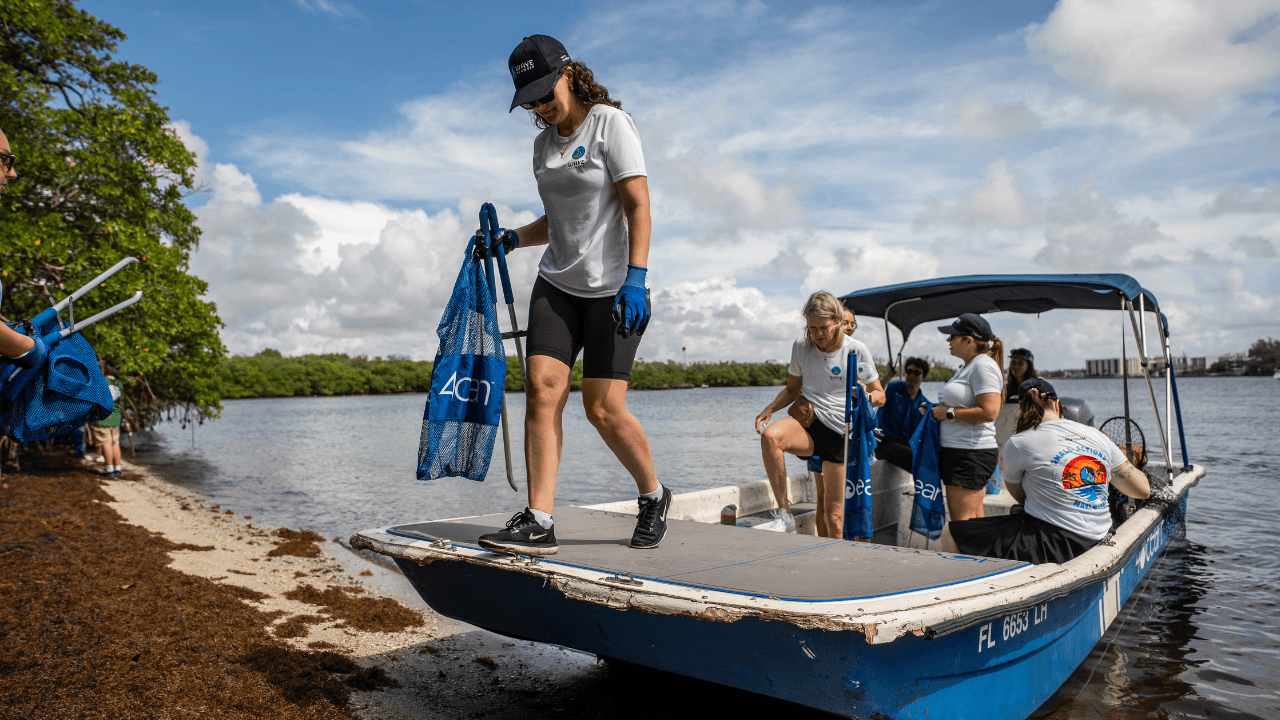
World Cleanup Day brings people together through neighborhood litter collections and larger efforts involving schools, businesses, public agencies, and international organizations.
Here are some practical ways to participate in a day of action and help reduce trash and plastic pollution:
Join a Local Cleanup
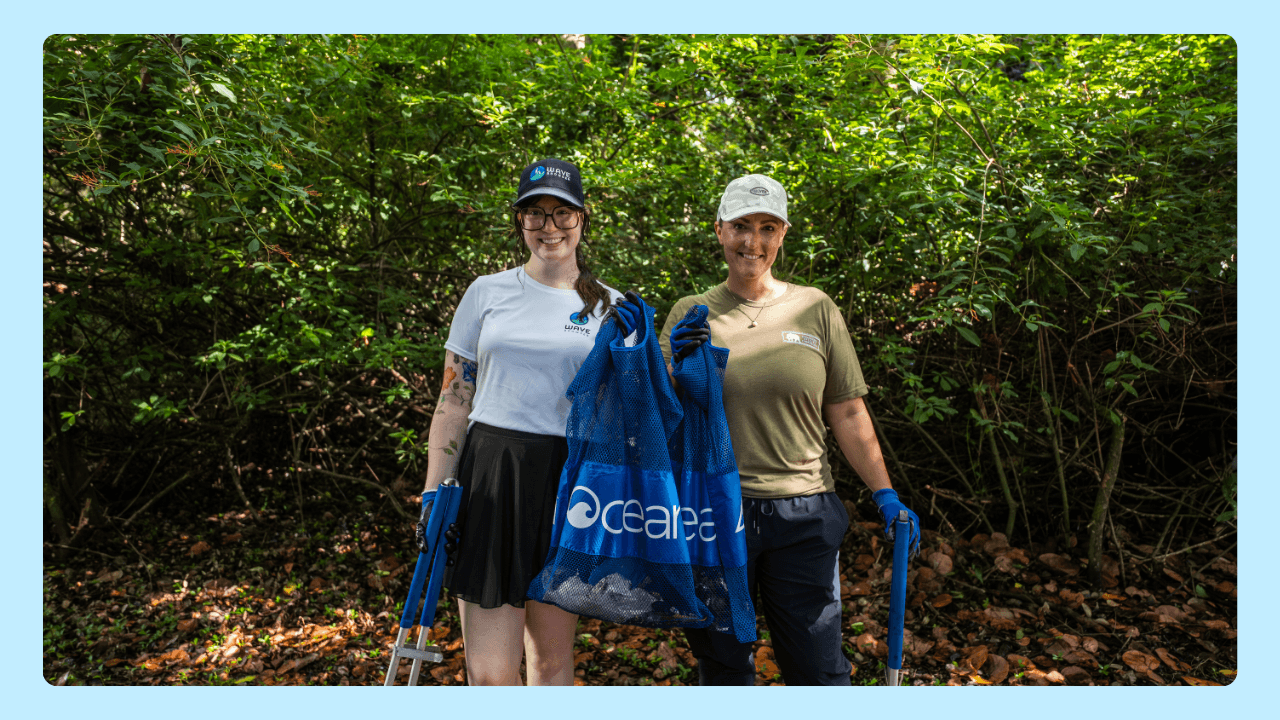
Help collect waste from parks, neighborhoods, beaches, rivers, and other shared spaces. You can find events through community groups, environmental nonprofits, regional organizations, or global organizations coordinating local action.
Organize a Litter Collection
Plan a litter cleanup event with clear collection zones, safety instructions, protective equipment, and proper disposal arrangements. Make sure volunteers avoid hazardous or unidentified materials.
You can also record the types and quantities of waste removed. Waste removal data—from individual plastic bottles to tons of plastic—can help communities identify major pollution sources and improve local waste systems.
Reduce Single-Use Plastic and Fashion Waste
Cut back on disposable bags, bottles, cups, and packaging. Numerous organizations working to address the problem of marine debris also highlight the importance of reducing waste at its source.
The fashion industry, for example, generates tonnes of textile waste, so choosing durable clothing, buying only what you need, and reusing or donating items can also help reduce fashion waste. These actions can lower demand for resource-intensive production and disposal.
Support Better Waste Management
Learn how waste is collected, sorted, recycled, and disposed of in your community. Stronger systems help keep trash out of streets and waterways while supporting wider efforts to address pollution and climate change.
Reduce Digital Waste
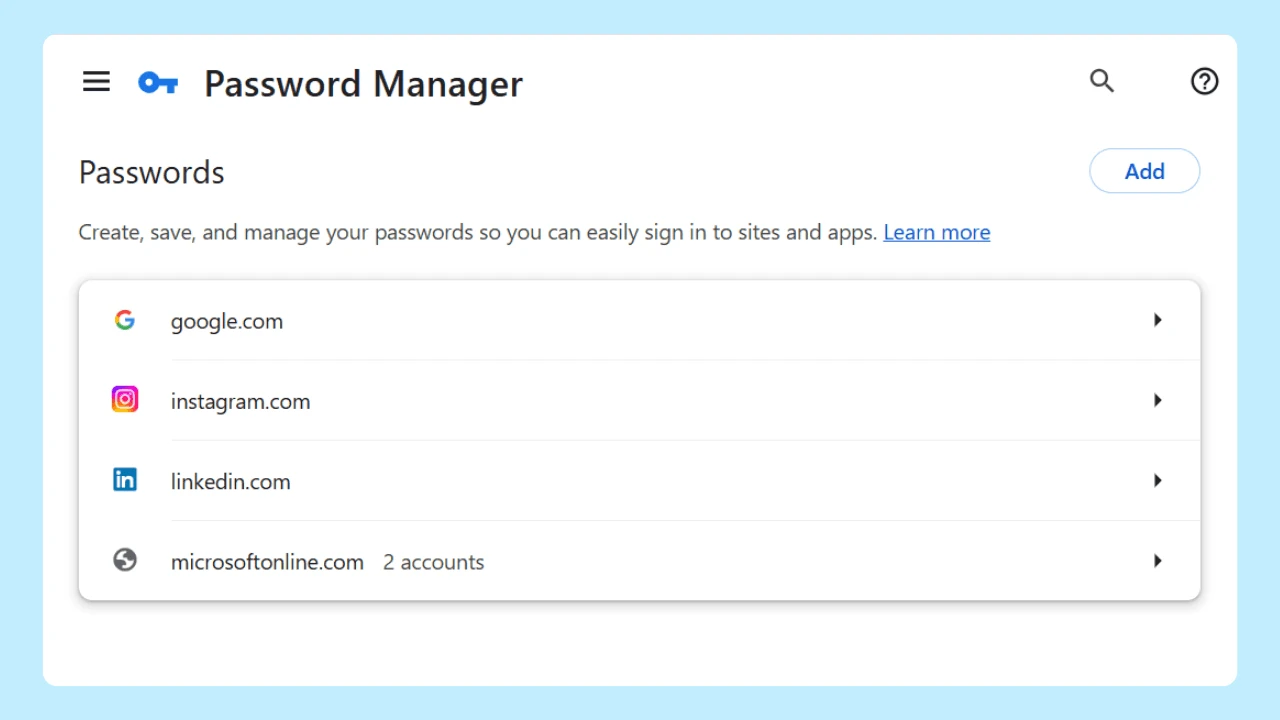
Delete unused files, apps, emails, and inactive accounts. This activity can raise awareness of digital ecological footprints and encourage more intentional technology use.
Use Wave Browser
Everyday browsing with Wave Browser supports verified ocean cleanup through its partnership with 4ocean. People can browse normally while Wave helps fund the removal of plastic and trash from our ocean, rivers, and coastlines—no additional environmental tasks or rewards program required.
From One Event to Lasting Change
World Cleanup Day shows what collective action can achieve, but lasting change requires work throughout the year. Local cleaning initiatives, reduced disposable waste, and stronger waste systems can help stop pollution before it reaches waterways.
4ocean’s operations demonstrate the impact of sustained action. In February 2026, the organization surpassed 50 million pounds of plastic and trash removed from our ocean, rivers, and coastlines worldwide.
Wave Browser supports 4ocean’s verified cleanup work by connecting everyday browsing with ongoing environmental impact. One occasion can mobilize the world, but consistent action is what keeps the progress moving forward.